

A small jar in the refrigerator door can quietly shape the taste of an entire meal.
Mustard often looks humble, yet a spoonful can brighten grains, deepen sauces, or turn a plain sandwich into something memorable.
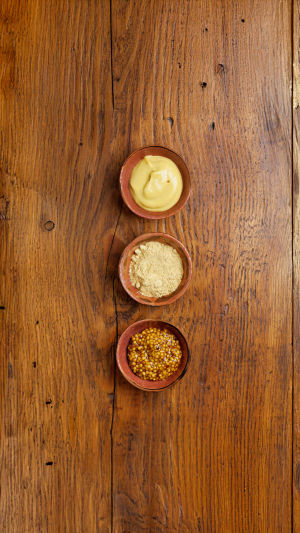
Whole-grain mustard, smooth Dijon, and dry mustard powder each bring a different personality to the kitchen. Learning how to use them isn’t complicated, but it does open the door to richer flavor with very little effort.
<h3>Understanding the Three Mustard Styles</h3>
<b>Whole-grain texture</b>
<b>Smooth Dijon sharpness</b>
<b>Dry powder intensity</b>
These three forms come from the same seed family, yet they behave differently in cooking. Whole-grain mustard delivers gentle bursts of flavor and a slightly rustic texture. Dijon is blended until silky, giving sauces and dressings a clean, sharp finish. Mustard powder is ground mustard seed, and its pungency develops when mixed with liquid.
- Use whole-grain mustard when you want visible texture in dressings or spreads.
- Choose Dijon for creamy sauces where smoothness matters.
- Reach for powder when seasoning dry rubs or quick marinades.
A helpful comparison is salad dressing: whole-grain adds visual interest, Dijon blends seamlessly, and powder disappears completely while still boosting taste.
<h3>Basic Ingredients to Keep Ready</h3>
<b>Fresh mustard varieties</b>
<b>Simple pantry liquids</b>
<b>A mild sweet balance</b>
Keeping a few supporting ingredients nearby makes mustard far more versatile. Most recipes rely on everyday kitchen staples rather than specialty items:
- Whole-grain mustard, Dijon mustard, and mustard powder
- Water, lemon juice, or mild vinegar for mixing and thinning
- Honey or maple syrup for gentle sweetness when needed
- Olive oil for dressings and smooth sauces
- Salt and ground pepper for balance
An actionable setup is placing these items together on one shelf. When everything sits within reach, quick flavor adjustments become natural instead of time-consuming.
<h3>Simple Dijon Sauce in Minutes</h3>
<b>Creamy texture</b>
<b>Bright flavor</b>
<b>Fast preparation</b>
Dijon mustard shines in smooth sauces that come together quickly. This basic version works with roasted vegetables, grains, or warm sandwiches.
Ingredients:
2 tablespoons Dijon mustard
3 tablespoons olive oil
1 tablespoon lemon juice
1 teaspoon honey
Pinch of salt and pepper
Steps:
1 - Place Dijon, lemon juice, and honey in a small bowl.
2 - Whisk slowly while pouring in olive oil to create a creamy texture.
3 - Taste and adjust salt or sweetness if needed.
For a practical variation, stir this sauce into warm roasted potatoes right after cooking. The heat helps the flavor coat every surface evenly.
<h3>Whole-Grain Mustard Dressing for Salads</h3>
<b>Light texture</b>
<b>Gentle tang</b>
<b>Visible seeds</b>
Whole-grain mustard creates dressings that feel fresh rather than heavy. The seeds soften slightly in liquid, giving pleasant texture without overpowering greens.
Ingredients:
1 tablespoon whole-grain mustard
2 tablespoons olive oil
1 tablespoon mild vinegar or lemon juice
1 teaspoon honey
Small pinch of salt
Steps:
1 - Combine mustard, vinegar, and honey in a bowl.
2 - Whisk while adding olive oil until blended.
3 - Toss with fresh greens just before serving.
Try this with sliced cucumbers and leafy greens for a quick side dish. The dressing stays light while still delivering clear flavor.
<h3>Using Mustard Powder for Dry Seasoning</h3>
<b>Deep aroma</b>
<b>Even coating</b>
<b>Long shelf life</b>
Mustard powder works best when mixed into dry blends or activated with a little liquid. Because it contains no added moisture, it stores well and spreads flavor evenly.
Ingredients for a quick seasoning mix:
1 teaspoon mustard powder
1 teaspoon garlic powder
1 teaspoon paprika
1 tablespoon olive oil
Pinch of salt
Steps:
1 - Stir the dry spices together in a bowl.
2 - Add olive oil to form a loose paste.
3 - Rub onto sliced vegetables before roasting.
A useful tip is letting the coated vegetables rest for ten minutes before cooking. This short pause allows the mustard flavor to develop more fully.
<h3>Choosing the Right Mustard for Each Dish</h3>
<b>Smooth blending</b>
<b>Textured finish</b>
<b>Subtle seasoning</b>
Knowing which style to use saves time and improves results. Each mustard form solves a slightly different cooking need.
- Pick Dijon when making creamy sauces or spreads.
- Use whole-grain for dressings or toppings where texture matters.
- Select powder for dry seasoning or recipes needing smooth consistency.
Keeping all three available means you can adjust flavor without changing the main ingredients of a meal.
Quick kitchen note: prepared mustard can add sodium even in small servings, so if you season aggressively elsewhere, taste before adding extra salt.
A single seed can travel through many forms, each offering its own quiet strength in the kitchen. Mustard doesn’t demand attention, yet it consistently improves what surrounds it. Once you begin experimenting with these three styles, everyday cooking feels less routine and more creative.