

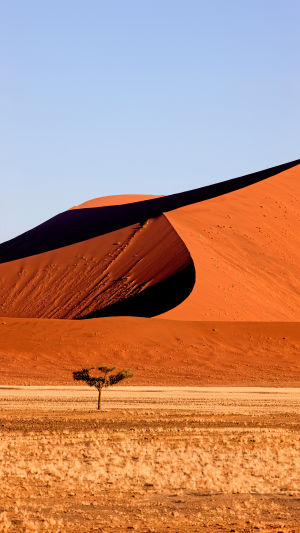
The sun rises over the Namib Desert, casting long shadows across sand dunes that stretch farther than the eye can see. A light breeze stirs the orange sand, and the silence is almost complete, broken only by the occasional call of a desert bird or the crunch of your boots against the fine grains.
This isn't just a desert—it's a living museum of nature's artistry, where every ridge, valley, and isolated tree tells a story of resilience and adaptation. Walking through the dunes, you feel both humbled and invigorated, as if the landscape itself is urging you to slow down and notice the details often missed in busier places.
<h3>Getting There and Around</h3>
The Namib Desert is vast, so preparation is essential.
<b>1. Fly Into Windhoek:</b> Most travelers start in Windhoek, Namibia's capital. From here, you can rent a 4x4 vehicle—highly recommended for desert travel—or book guided tours that include transportation. Car rentals start around $60 per day, but a sturdy vehicle with high clearance is a must.
<b>2. Driving to Key Sites:</b> Sossusvlei and Deadvlei are major highlights, roughly a 5–6 hour drive southwest of Windhoek. Fuel stations are sparse, so fill up whenever possible. Road conditions vary: paved highways give way to sandy tracks, so patience and careful driving are essential.
<b>3. Guided Tours:</b> For those unfamiliar with desert navigation, guided tours cost around $100–$150 per day. These often include meals, park fees, and insights from local guides who know the safest and most scenic routes.
<h3>Must-See Landmarks</h3>
The desert is full of iconic sites that are worth the trek.
<b>1. Sossusvlei:</b> Famous for towering red dunes, some over 1,000 feet high. Climb Dune 45 early in the morning for soft, golden light and breathtaking panoramic views. Bring at least 2 liters of water per person—heat and exertion can be intense.
<b>2. Deadvlei:</b> A white clay pan dotted with black, dead camel thorn trees, contrasting dramatically with the surrounding orange dunes. Mid-morning provides excellent lighting for photos, and the quiet atmosphere allows you to explore without crowds.
<b>3. Sesriem Canyon:</b> A short walk from Sossusvlei, this narrow canyon reveals the desert's geological history. Admission is around $10 per person, and the area is ideal for cooler morning hikes.
<h3>Photography and Timing Tips</h3>
The desert offers incredible visual opportunities, but timing and equipment matter.
<b>1. Sunrise and Sunset:</b> Light changes the color of the dunes dramatically. Sunrise offers soft pastels, while sunset produces deep reds and golden highlights.
<b>2. Camera Gear:</b> Wide-angle lenses capture the vastness of dunes, while zoom lenses help isolate details like wind-blown patterns or wildlife. A lens cloth is handy—sand can accumulate quickly.
<b>3. Drone Use:</b> Drones provide stunning aerial shots, but be mindful of desert wildlife and local regulations. Always check permitted areas before flying.
<h3>Local Wildlife and Flora</h3>
Despite its harsh conditions, the Namib Desert is full of life.
<b>1. Desert Adaptations:</b> Oryx, springbok, and dune larks thrive here. Morning is the best time to spot animals when temperatures are cooler and wildlife is more active.
<b>2. Plant Life:</b> The welwitschia plant, unique to this region, can live for over 1,000 years. These ancient plants survive with minimal water, giving you a glimpse of desert endurance.
<b>3. Birdwatching:</b> Look for sociable weavers and sandgrouse, particularly around natural water sources. A pair of binoculars enhances the experience.
<h3>Practical Tips for Visitors</h3>
Staying safe and comfortable ensures you enjoy the desert fully.
<b>1. Hydration and Sun Protection:</b> Carry at least 3 liters of water per person, wear sunscreen, a hat, and lightweight long sleeves.
<b>2. Footwear:</b> Sturdy, closed shoes prevent sand from getting in and provide traction on loose dunes.
<b>3. Timing Your Visits:</b> Avoid mid-afternoon heat; early morning or late afternoon is optimal for hiking, photography, and wildlife spotting.
<h3>Accommodation and Dining</h3>
Options range from luxury lodges to campsites near the dunes.
<b>1. Lodges:</b> Sossusvlei Lodge and similar accommodations offer comfortable rooms, guided excursions, and meals from $200–$300 per night.
<b>2. Camping:</b> For a more immersive experience, desert camps provide tents with basic amenities. Expect $50–$80 per night, often with sunrise wake-up calls for photography.
<b>3. Food and Supplies:</b> Restaurants near main attractions serve local dishes like grilled fish and fresh salads ($10–$20 per meal). Stock up on snacks and water before heading deep into the dunes.
Exploring the Namib Desert is like stepping into another world—one of sweeping dunes, endless skies, and quiet introspection. The landscapes are surreal yet tangible, challenging visitors to slow down, notice, and adapt to the rhythms of the desert. With careful planning, the desert's beauty becomes accessible, whether you hike the dunes, photograph the clay pans, or watch wildlife emerge in the early morning light.
Next time you feel the pull of adventure, imagine yourself standing on a wind-sculpted dune as the sun sets over the Namib, the sky ablaze with color and the sand stretching endlessly before you. It's a memory that sticks, reminding you of the quiet power and timeless beauty of this extraordinary desert.


