

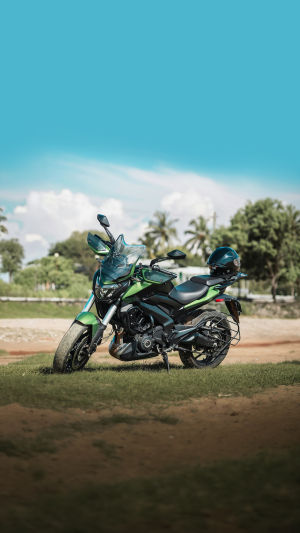
Stepping outside on a scorching summer morning or into a chilly fall breeze, you realize your gear can make or break your ride.
Motorcycle clothing isn’t just about protection—it’s about adapting to the weather so you can stay alert, comfortable, and safe.
Choosing gear with the climate in mind can transform a rough ride into an enjoyable journey.
<h3>Hot Weather Riding</h3>
Riding in high temperatures can be draining, but the right gear keeps you cool without sacrificing protection.
<b>1. Lightweight jackets:</b> Look for textile jackets with mesh panels. They allow airflow while keeping protective padding in place. For example, jackets with vented shoulders and back reduce sweat buildup during city commutes.
<b>2. Breathable pants:</b> Pants with stretch and ventilation panels prevent heat from building up in the legs. Riders on long highway trips can benefit from zip-out liners that can be removed on hot days.
<b>3. Ventilated gloves and helmets:</b> Gloves with perforations and helmets with adjustable vents improve airflow around your hands and head. A rider might choose a helmet with multiple vent positions to adjust to changing sun and wind conditions.
Tip: Hot weather gear prioritizes airflow and moisture management. Materials that wick sweat away from your body prevent discomfort and distractions while riding.
<h3>Cold Weather Riding</h3>
When temperatures drop, staying warm is critical for safety and comfort. Cold hands or stiff limbs reduce reaction time and control.
<b>1. Insulated jackets:</b> Jackets with thermal liners or removable insulation provide flexibility. Riders can add or remove layers depending on ride length. For instance, a thermal-lined jacket with a zip-out layer allows you to adjust warmth during a morning commute and mid-afternoon ride.
<b>2. Layered pants:</b> Pants with removable liners or windproof shells protect legs from cold air. Pairing them with thermal base layers improves circulation and comfort on long rides.
<b>3. Cold-weather accessories:</b> Heated gloves, neck gaiters, and insulated socks make a noticeable difference. A short ride in 5°C weather feels much safer when hands remain nimble and legs stay warm.
Tip: Cold-weather gear is all about insulation and wind protection. Materials that trap heat while stopping wind from getting through keep your core temperature stable without excessive bulk.
<h3>Rain and Wet Conditions</h3>
Rain introduces hazards like slippery surfaces and water-soaked gear. Choosing the right waterproof equipment keeps you dry and focused.
<b>1. Waterproof jackets and pants:</b> Look for materials with sealed seams and water-resistant zippers. Lightweight rain shells can fit over regular gear for short rides, while fully waterproof suits are better for extended trips.
<b>2. Water-resistant gloves and boots:</b> Gloves with water-repellent membranes and boots with gusseted tongues prevent water from soaking your hands and feet, maintaining grip and control.
<b>3. Visibility features:</b> Rain often reduces visibility, so reflective panels or bright colors help other drivers notice you. For extra safety during a drizzle, a fluorescent vest over a waterproof jacket is recommended.
Tip: Proper rain gear keeps your body dry and your movements unrestricted. Layering waterproof materials over breathable fabrics prevents overheating while maintaining protection.
<h3>Wind and High-Speed Riding</h3>
Even on dry days, strong wind can chill the body and tire muscles during long rides. Gear designed to block wind can improve comfort and focus.
<b>1. Windproof jackets:</b> Jackets with tight closures at cuffs, collars, and waists prevent wind from entering. A rider on an open highway benefits from a jacket with adjustable waist straps and neck closure to block drafts.
<b>2. Pants with wind barriers:</b> Windproof pants or over-pants reduce air flow while riding at high speeds. Pairing them with flexible materials ensures knee and hip mobility isn't sacrificed.
<b>3. Accessories for wind protection:</b> Scarves, balaclavas, and streamlined gloves reduce heat loss. Helmets with chin curtains help minimize buffeting and maintain warmth in cooler air.
Tip: Windproof gear balances protection with flexibility, blocking cold drafts while allowing unrestricted movement.
<h3>Testing Gear in Real Conditions</h3>
No matter what gear you choose, testing it under actual riding conditions ensures it performs as expected.
<b>1. Short rides:</b> Wear your gear on brief trips to check for comfort, airflow, and insulation. A 15-minute city loop can reveal pressure points or ventilation issues.
<b>2. Layer adjustment:</b> Experiment with removing or adding layers to see how temperature regulation works in motion.
<b>3. Gear maintenance:</b> Check waterproof coatings, seams, and zippers before longer rides. A small tear or worn waterproof layer can drastically reduce protection in wet conditions.
Matching your gear to the climate isn’t just about comfort—it’s about staying alert, safe, and confident on the bike. Gear that adapts to heat, cold, rain, or wind lets you focus on the road, not your body, ensuring every ride is as enjoyable as it is safe.


