

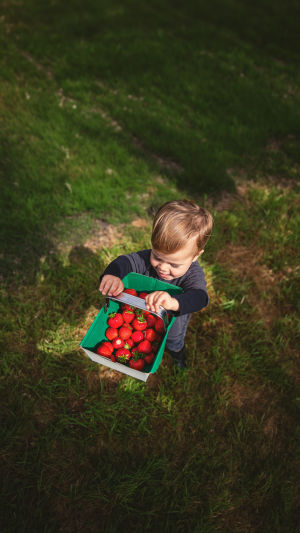
In today's fast-paced digital world, many kids spend hours on screens, which can slowly weaken their hands-on skills. But developing these skills is essential for a child’s growth.
Hands-on activities do more than just strengthen hand coordination—they also boost creativity, encourage problem-solving, and build self-confidence.
By practicing with real objects, children learn to experiment, explore, and think critically. In this article, we will explore practical ways to help children enhance their hands-on abilities and why this matters for their future.
<h3>Understanding the Value of Hands-On Skills</h3>
Hands-on skills involve more than simple finger movements. They integrate cognitive, emotional, and social development. When kids engage in puzzles, crafts, or building blocks, they develop better understanding and memory retention.
For example, completing a puzzle enhances hand-eye coordination and helps children learn about shapes, colors, and patterns.
Small successes, like finishing a craft project, give kids a sense of accomplishment, naturally boosting their confidence. According to American child development experts, children who frequently practice hands-on activities show improved attention spans, creativity, and resilience.
<h3>Age-Specific Strategies</h3>
Different ages require different approaches for hands-on skill development.
- Toddlers (0–3 years old): Sensory exploration is key. Provide fabrics, soft cushions, or blocks for touching, squeezing, and stacking. Simple chores like wiping the table or arranging toys also help them develop coordination and responsibility.
- Preschoolers (4–6 years old): Activities that refine small hand muscles are very useful. Cutting paper, pasting, drawing, or molding clay encourages precision and focus. Building structures with blocks or Lego sets enhances spatial awareness and logical thinking.
- Elementary (7+ years old): At this stage, kids can tackle more complex crafts like pottery, basic woodworking, or sewing, which demand patience and attention to detail. Project-based tasks—assembling small furniture, planting a garden, or creating DIY experiments—challenge their creativity while teaching practical problem-solving skills.
<h3>Practical Activities and Examples</h3>
- Daily Life Practice: Cooking together is a fantastic hands-on activity. Let children wash vegetables, stir batter, measure ingredients, or help set the table. These tasks improve manual coordination and teach valuable life skills.
- Arts and Crafts: Painting, doodling, and experimenting with different brushes and paints spark creativity. Encourage children to explore textures, colors, and mixed media. Even making simple collages or handmade cards can boost confidence and imagination.
- STEM and Innovation: Coding and robotics activities are excellent for logic and problem-solving. Let kids assemble simple robots or follow coding tutorials. After mastering basics, challenge them to modify instructions or invent their own designs. This kind of hands-on experimentation stimulates critical thinking and innovation.
- Outdoor and Nature Activities: Gardening, building a birdhouse, or collecting natural materials for crafts also develop fine motor skills and environmental awareness. Outdoor projects encourage observation, planning, and teamwork if done with family or peers.
<h3>Evaluating Progress</h3>
Observing children during activities helps us understand their progress. Are they curious? Persistent? Creative in solving problems? Setting small, achievable goals according to their age or skill level makes it easier to track improvements. Regularly reviewing their achievements and offering encouragement helps maintain motivation. Positive feedback reinforces effort and persistence, building confidence that lasts beyond any single activity.
<h3>Tips for Daily Implementation</h3>
Interaction is key. Work alongside children, offering guidance without taking control. Let them experiment, make mistakes, and find their own solutions. Encouraging independent exploration fosters autonomy and critical thinking.
A good practice is to mix structured and unstructured activities—like having a planned Lego session or simply giving them materials to invent their own game. Every small success matters and strengthens a child’s sense of achievement.
<h3>Grow, Create, Thrive</h3>
Developing hands-on skills is a gradual process that requires patience and consistency. We can design diverse activities that balance challenge and fun, keeping pressure low while maximizing learning. Children who practice hands-on skills gain creativity, confidence, and problem-solving abilities, laying a solid foundation for future academic success and life skills.
Parents and educators should focus on both guidance and independence, letting children try things on their own while offering help when needed. Remember, every small achievement is a step toward growth, and each moment of discovery builds lifelong skills. So let’s start exploring, creating, and learning together!


