

Urban green spaces have evolved from the public parks of early America and Victorian England into essential parts of sustainable living. Initially, parks served as social and sanitary refuges for city dwellers.
Over time, the idea of greenery shifted from public spaces to private and commercial gardens, blending natural beauty with functional design.
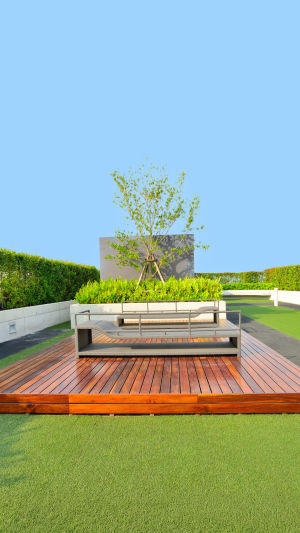
Today, rooftop gardens have emerged as a key 2026 trend, combining infrastructure and nature, turning unused rooftops into vibrant, sustainable spaces.
These gardens favor lightweight, shallow-rooted plants that offer extra benefits, such as herbs and vegetables, while enhancing aesthetic appeal. Rooftop gardening bridges history and modern sustainability, offering cities and homeowners a creative way to integrate greenery.
<h3>Rooftop Gardening: What It Is</h3>
Rooftop gardening transforms flat roofs into full-scale gardens, often using waterproofing, soil layers, drainage systems, and root barriers. Some setups use modular garden boxes for flexibility, while others are permanent installations built directly into the roof structure.
The benefits extend far beyond beauty. Rooftop gardens improve air quality, reduce urban heat, manage stormwater, and increase biodiversity. They can even lower energy costs by insulating buildings and provide quieter, more comfortable environments. Both commercial buildings and single-family homes can adopt this trend, though only a small fraction currently has green roofs. With new incentives, the potential for growth in 2026 is significant.
<h3>Choosing the Right Plants</h3>
Selecting suitable plants is crucial for rooftop success. Lightweight, shallow-rooted, and low-maintenance species thrive best. Ideal options include succulents, dwarf vegetables, and culinary herbs like basil, thyme, and cilantro. Flowering plants such as petunias, begonias, and calla lilies add color while supporting pollinators.
For modular garden boxes, consider companion planting to maximize space. Combine “thriller, spiller, filler” strategies: tall focal plants for impact, trailing plants for dimension, and filler plants for texture. Permanent installations can include shallow-rooted shrubs, Japanese maples, lettuce, peppers, and oregano. Always assess the structural limits of your roof before planting. Consulting a professional ensures safety and long-term success.
<h3>Maintaining a Thriving Rooftop</h3>
Watering, pruning, and fertilization routines must accommodate rooftop conditions. Morning watering prevents fungal growth, and mulching conserves moisture while protecting roots. Lightweight, portable tools make upkeep easier, and regular inspection of modular boxes prevents soil compaction. Fertilize with compost rather than synthetic options to enhance sustainability.
<h3>Why We Should Care</h3>
Rooftop gardens are more than trends—they are a step toward urban sustainability. They support local food production, promote mental well-being, and reduce environmental impact. Every rooftop transformed is a small contribution to a greener city and a healthier lifestyle.
By embracing this trend in 2026, homeowners and businesses alike can turn unused space into a lush, functional oasis, proving that even in crowded urban environments, sustainability and beauty can flourish together.


