

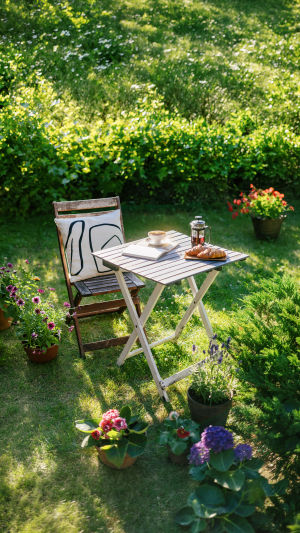
Selecting the right material for outdoor tables and chairs can transform your patio into a functional and visually appealing space.
While comfort and design are important, the choice of material directly affects durability, maintenance, and resistance to weather elements.
While comfort and design are important, the choice of material directly affects durability, maintenance, and resistance to weather elements. Understanding the strengths and limitations of each material helps homeowners make informed decisions. Seasonal changes, humidity, and direct sunlight all play a role in how furniture holds up over time.
<h3>Wooden Outdoor Furniture</h3>
Wood remains a popular choice due to its natural beauty and timeless appeal. Hardwood varieties such as teak, cedar, and eucalyptus offer excellent durability and resistance to decay. Teak, in particular, is known for its high oil content, which protects it from water and insect damage.
Lighter woods, like pine, are more affordable but require regular sealing to maintain longevity. Wooden furniture typically needs sanding, staining, or sealing annually to prevent cracking and fading. Despite the upkeep, the warmth and classic look make wood a preferred option for many outdoor spaces. Choosing cushions with UV-resistant fabric can enhance comfort and prevent color fading.
<h3>Metal Outdoor Furniture</h3>
Metal tables and chairs provide strength and a modern aesthetic. Common metals include aluminum, steel, and wrought iron. Aluminum is lightweight, corrosion-resistant, and easy to move, making it ideal for flexible patio arrangements. Steel is heavier and offers superior sturdiness but must be treated with rust-resistant coatings to withstand rain and humidity.
Wrought iron provides an elegant, ornate design but requires regular maintenance to avoid rusting. Metal furniture can handle heavy use and strong winds, but its surface may become hot under direct sunlight, so cushions or protective covers are recommended. Powder-coated finishes further improve resistance to scratches and weather damage.
<h3>Plastic and Resin Outdoor Furniture</h3>
Plastic and resin furniture are budget-friendly, lightweight, and resistant to moisture, making them a convenient option for casual outdoor spaces. High-density polyethylene (HDPE) resin is especially durable and mimics the look of wood without the extensive maintenance.
Plastic furniture can easily be cleaned with soap and water, and it won't rust or rot. However, prolonged sun exposure can cause fading and brittleness over time. This material is best suited for areas with low to moderate usage and where portability is a priority. Adding UV-stable coatings can extend the life and appearance of plastic pieces.
<h3>Combination and Specialty Materials</h3>
Some outdoor furniture blends materials to combine style and durability. For example, wood frames with metal legs or resin weaving over aluminum frames provide structural strength and aesthetic appeal. Synthetic wicker offers a weather-resistant alternative to natural rattan, maintaining flexibility and color in various climates.
When selecting combination pieces, ensure that each material is compatible with outdoor exposure and consider the ease of cleaning and repair. Modular designs allow for rearranging seating while keeping materials protected.
<h3>Conclusion</h3>
Choosing the ideal material for outdoor tables and chairs requires balancing aesthetics, durability, and maintenance needs. Wood offers classic elegance, metals provide strength and modern design, and plastics/resins deliver convenience and low maintenance. By understanding the characteristics of each material, homeowners can select furniture that complements their outdoor space while withstanding the elements.
Reflecting on your specific environment, frequency of use, and long-term care ensures a patio setup that remains both functional and visually appealing for years.


