

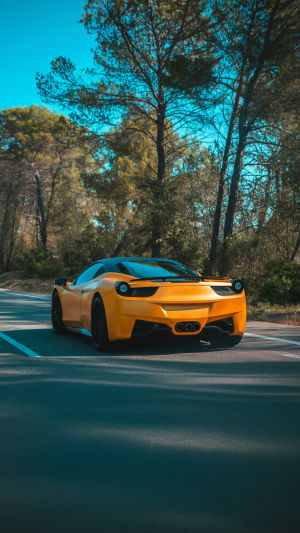
Imagine you're behind the wheel of a high-performance car, eager to experience the thrill of maximum speed.
But what if you couldn't go beyond a certain limit? This is where speed limiters, also known as speed governors, come into play.
These devices are crucial in controlling the top speed of vehicles, ensuring they don't exceed safe limits. Although most drivers will never come close to the top speeds of high-performance cars, speed limiters play a vital role in maintaining safety on the road.
<h3>How Do Speed Limiters Work?</h3>
Speed limiters operate using a combination of electronic sensors and the car's engine computer. Here's how they function:
1. Sensors Track Speed
A network of sensors in the vehicle constantly monitors its speed, sending real-time data to the engine's onboard computer.
2. Engine Computer Takes Control
Once the car reaches its preset maximum speed, the computer intervenes. It restricts the engine by limiting the flow of air, fuel, and even the ignition spark that ignites combustion.
3. Top Speed Reached
Once the limiter is engaged, the car cannot exceed the predetermined maximum speed, no matter how hard you press the accelerator.
This technology ensures that vehicles, particularly those with high horsepower, don't push their limits and potentially damage their engine or tires.
<h3>Why Are Speed Limiters Important?</h3>
Speed limiters are essential not only for protecting vehicles from mechanical damage but also for safety. Here's why they matter:
1. Preventing Overheating
When vehicles reach their top speeds, the engine undergoes extreme stress. Limiting speed ensures the engine doesn't overheat or suffer from premature wear and tear.
2. Safety Concerns
High-speed driving, especially in everyday cars, can be dangerous. By keeping top speeds under control, manufacturers reduce the likelihood of accidents caused by vehicles reaching dangerous speeds too quickly.
3. Tire Protection
High-speed driving can severely stress the tires, causing them to overheat or even fail. Speed limiters prevent this by regulating the car's maximum speed.
<h3>Where Are Speed Limiters Used?</h3>
Speed limiters aren't just for high-performance cars; they are commonly used in several types of vehicles:
1. Mopeds and Commercial Vehicles
In many countries, mopeds and commercial vehicles are required to have speed limiters installed to ensure safety, particularly in urban areas where speed regulations are stricter.
2. Heavy-Duty Trucks
In the U.S., there are regulations and recommendations for speed limiters on heavy-duty trucks to prevent accidents caused by large vehicles traveling too fast. The National Highway Traffic Safety Administration (NHTSA) has studied this as part of vehicle safety regulations.
3. Passenger Cars
For everyday cars, the use of speed limiters varies. Economy cars are generally limited to speeds around 110 mph (177 km/h), while performance vehicles can go much faster. For example, the Ford Mustang V-6 model is capped at approximately 113 mph (182 km/h), while the V-8 version can reach close to 150 mph (241 km/h). These limits depend on both the car model and engine type.
<h3>Should You Worry About Speed Limiters?</h3>
For most drivers, speed limiters are a safety feature that goes unnoticed. The technology works quietly in the background, ensuring your car doesn't exceed its safe operating limits. However, for car enthusiasts or those who enjoy performance driving, these limitations can be a bit frustrating. In some high-performance cars, like the Bugatti Veyron Super Sport, owners may be surprised to learn their car's top speed is intentionally capped for safety reasons—despite its ability to go much faster.
<h3>Conclusion</h3>
Speed limiters are an essential aspect of modern car design, ensuring that vehicles don't exceed speeds that could compromise safety, damage the engine, or cause accidents. While they may not be on your radar as a driver, they're always working behind the scenes, making sure you drive safely and your vehicle performs efficiently.


