

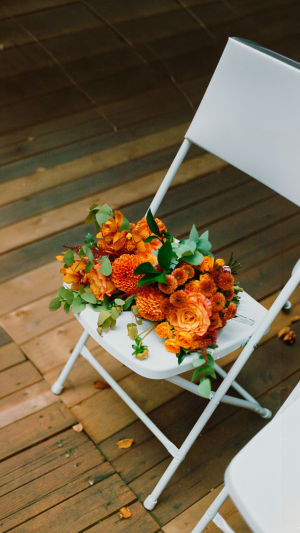
Two bunches of roses sit side by side at the market. Same variety, same color, same price. One will look beautiful in a vase for ten days.
The other will droop by Thursday. From a distance, they look identical. Up close, if you know what to look for, the difference is written clearly across every petal, stem, and leaf.
Most people buy flowers by color and price. The ones who buy by freshness get dramatically more for the same money — and considerably more enjoyment from the same purchase.
Knowing how to read a flower before buying it is a skill that takes about ten minutes to learn and pays off every single time you visit a market, a florist, or a grocery store with a flower display near the entrance.
<h3>Read the Petals Before Anything Else</h3>
The petals are the most immediate indicator of where a flower is in its lifespan, and they tell their story clearly if you look closely rather than from a distance.
Fresh petals have a quality that is difficult to describe precisely but easy to recognize — a tautness, a slight resistance to the touch, and a surface that reflects light evenly without looking papery or translucent. As a flower ages, the cells in its petals begin to lose moisture, and the petal surface shifts — becoming softer at the edges, slightly translucent near the tips, or developing a brown line along the outermost rim that signals the beginning of deterioration.
For roses specifically, look at the outermost petals — called guard petals — which are intentionally left on by growers to protect the inner bloom during transport. These will always look slightly less perfect than the petals beneath them. Gently press the head of the rose. A fresh rose feels firm and dense. One that has been sitting too long feels loose and gives way too easily under light pressure.
For flowers like lilies and tulips, look for blooms that are still mostly closed. These will open beautifully over the following days, giving you the full lifespan of the flower rather than arriving at the end of it.
<h3>Check the Stems and the Water They Are Standing In</h3>
The stem is the flower's lifeline, and its condition reveals exactly how the flower has been treated since it was cut. A fresh stem, when cut cleanly across, should show a pale, moist interior. Dark discoloration at the cut end — brown or black tissue — indicates that the stem has begun to break down and is no longer drawing water effectively.
The water the flowers are standing in is equally informative.
1. Clear water indicates the flowers were recently trimmed and the water was recently changed — a sign that the vendor is maintaining their stock properly.
2. Cloudy or discolored water indicates bacterial buildup, which accelerates deterioration and shortens vase life significantly regardless of how fresh the blooms themselves appear.
3. Slimy stems at the waterline — detectable by running a finger along the stem where it meets the surface — indicate the same bacterial problem and should be treated as a clear reason to choose a different bunch.
Stems should also feel firm along their entire length. A stem that bends easily under its own weight or feels soft when squeezed has already lost structural integrity and will struggle to support the bloom once placed in a vase at home.
<h3>Look at the Leaves as a Freshness Indicator</h3>
Leaves lose moisture faster than petals and therefore signal aging earlier and more clearly. Fresh leaves are deep in color, firm to the touch, and lie naturally along the stem without curling at the edges. Yellowing leaves indicate age. Leaves that feel dry or papery at the tips indicate the flower has been out of water or in poor storage conditions.
Remove any leaves that would sit below the waterline in your vase — these decompose quickly in water and accelerate bacterial growth. But before you buy, use the leaves as a diagnostic tool. A bunch with vibrant, healthy leaves almost always has stems and blooms to match.
<h3>Timing Your Purchase for Maximum Freshness</h3>
When you buy flowers matters almost as much as what you look for when you buy them.
1. Florists and market vendors typically receive deliveries at the beginning of the week — Monday and Tuesday are the days when stock is freshest at most independent flower shops.
2. Grocery store flower displays are restocked less predictably, making it worth checking the display on different days to understand the pattern at your local store.
3. Buying flowers in the morning rather than the afternoon gives you first access to any new stock and avoids selecting from bunches that have spent a full day in variable temperature conditions on a shop floor.
Selecting fresh flowers is not about being picky — it’s about learning to read the signs of freshness. By checking petals, stems, leaves, and timing your purchase, you can enjoy longer-lasting blooms and make every flower arrangement a joy. With a few simple steps, you’ll consistently choose the flowers that bring beauty and value into your home.


