

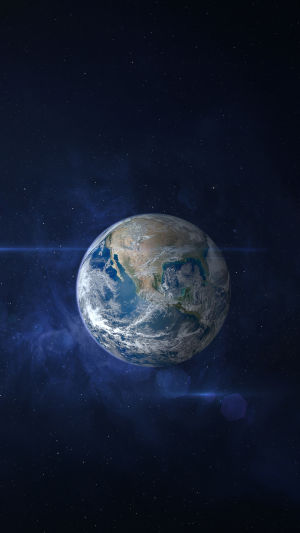
High above the surface where airplanes barely reach and weather systems no longer exist, there is a thin, fragile shield that quietly determines whether life on Earth thrives or suffers. This shield is the ozone layer, a concentrated region of ozone (O₃) located in the stratosphere roughly 15 to 35 kilometers above Earth.
Though invisible to the human eye, its role is profoundly real: it absorbs most of the Sun’s harmful ultraviolet (UV) radiation, preventing severe biological damage to living organisms. Without it, Earth’s surface would be exposed to radiation levels capable of disrupting ecosystems, damaging DNA, and making long-term survival extremely difficult for many species.
<h3>The Science Behind the Ozone Shield</h3>
Ozone is a molecule composed of three oxygen atoms, formed when ultraviolet sunlight splits oxygen molecules (O₂), allowing free atoms to recombine into ozone. This process is most active in the stratosphere, where UV radiation is strong enough to drive chemical reactions but not so intense as to destroy all ozone instantly.
What makes the ozone layer unique is its dynamic balance. Ozone is constantly created and destroyed in a natural cycle. UV radiation breaks it apart, while other reactions reform it. This equilibrium keeps the layer relatively stable under natural conditions. However, even slight disruptions in this balance can significantly reduce its protective capacity, making it a sensitive indicator of atmospheric health.
What Is The Ozone Layer? | Ozone Layer Depletion | Dr Binocs Show |Kids Learning Video|Peekaboo Kidz
Peekaboo Kidz
<h3>The Protective Function Against Ultraviolet Radiation</h3>
The Sun emits different types of ultraviolet radiation, but UV-B and UV-C are the most biologically harmful. The ozone layer absorbs nearly all UV-C and a large portion of UV-B before they reach Earth’s surface. Without this filtration, human health would face serious consequences. Increased UV exposure is directly linked to higher rates of skin cancer, cataracts, and immune system suppression.
Beyond humans, phytoplankton in oceans—microscopic organisms that form the base of marine food chains—are highly sensitive to UV radiation. A weakened ozone layer would therefore disrupt entire aquatic ecosystems, affecting fish populations and global food security. In agriculture, excessive UV-B exposure can reduce crop yields by damaging plant tissues and slowing growth. This makes the ozone layer not just an environmental feature, but a critical factor in global stability.
<h3>The Discovery of Ozone Depletion and the Antarctic Ozone Hole</h3>
Scientific concern about the ozone layer intensified in the late 20th century. In the 1980s, researchers from the British Antarctic Survey made a groundbreaking observation: a dramatic seasonal thinning of ozone over Antarctica. This phenomenon became known as the “ozone hole,” where ozone concentrations dropped significantly during the Southern Hemisphere’s spring.
Further investigation revealed the primary cause: human-made chemicals, especially chlorofluorocarbons (CFCs), widely used in refrigeration, aerosol sprays, and industrial solvents. When released into the atmosphere, these compounds rise slowly into the stratosphere, where ultraviolet radiation breaks them down. This process releases chlorine atoms, which can destroy thousands of ozone molecules through catalytic reactions.
<h3>Global Response and the Path to Recovery</h3>
One of the most significant environmental agreements in history, the Montreal Protocol of 1987, was established to address ozone depletion. It successfully brought together nations worldwide to phase out the production of CFCs and other ozone-depleting substances.
Unlike many environmental challenges, this agreement produced measurable results. Atmospheric concentrations of damaging chemicals began to decline, and scientific observations show gradual signs of ozone layer recovery. According to long-term monitoring data, the ozone layer is expected to return to pre-1980 levels in the second half of the 21st century if current regulations remain effective.
<h3>Why the Ozone Layer Still Matters Today</h3>
Even though recovery is underway, the ozone layer remains vulnerable. Illegal emissions of banned substances, industrial leaks, and climate-related atmospheric changes can still influence its stability. Additionally, some modern chemicals used as replacements for CFCs, while less harmful, are still being studied for long-term effects.
Climate change also interacts with the ozone system in complex ways. Temperature shifts in the stratosphere can affect ozone formation and distribution, meaning that protecting the ozone layer is now interconnected with broader climate policies. Continuous monitoring using satellites, ground-based stations, and atmospheric models is essential to ensure that recovery continues uninterrupted. The ozone layer is not a problem that has been solved permanently—it is a system that requires ongoing stewardship.
The ozone layer is more than just a scientific concept; it is a life-preserving shield that silently protects Earth from harmful ultraviolet radiation. Its delicate chemical balance, its vulnerability to human-made compounds, and its gradual recovery tell a powerful story about both risk and responsibility. The history of ozone depletion shows how quickly human activity can disrupt natural systems, but also how global cooperation can restore them.
As science continues to monitor the stratosphere, the ozone layer stands as a reminder that Earth’s atmosphere is both resilient and fragile at the same time. Protecting it means safeguarding health, ecosystems, and future generations. And as we look upward into that invisible shield, one thing becomes clear—the fate of life on Earth is closely tied to what happens high above our heads, where the sky quietly guards every breath we take.


