

Choosing the right vehicle is more than picking a mode of transportation—it’s about matching your lifestyle, needs, and priorities.
SUVs have surged in popularity over the past decade, attracting drivers with their roomy interiors, off-road capabilities, and safety features. But before deciding, it’s essential to weigh both the advantages and the drawbacks of owning an SUV.
This guide will help you understand what makes SUVs appealing and what challenges you might face, so you can make a well-informed decision.
<h3>Advantages of SUVs</h3>
SUVs offer a wide range of benefits that can cater to different lifestyles, from family needs to off-road adventures. Here's why many people swear by them:
<b>1. More Space for Passengers and Cargo</b>
One of the main reasons people choose SUVs is the extra space. Whether you have a large family or need room for your gear, SUVs provide ample room for both passengers and cargo. Many SUVs also offer a third-row seating option, making them ideal for larger families.
<b>2. Superior Towing Capacity</b>
For those who need to tow boats, trailers, or campers, SUVs often have a significantly higher towing capacity than smaller vehicles. With the right engine and tow package, some SUVs can pull over 5,000 pounds, making them perfect for long trips or heavy-duty tasks.
<b>3. Better Off-Road Capabilities</b>
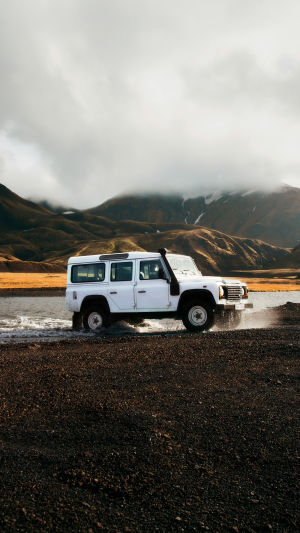
If you enjoy outdoor adventures, an SUV can be an excellent choice. With higher ground clearance and available all-wheel drive (AWD) or four-wheel drive (4WD) systems, SUVs are designed to handle rough terrain. Whether it's muddy trails, rocky paths, or snowy roads, an SUV can take you there.
<b>4. Increased Visibility</b>
SUVs sit higher than sedans and compact cars, giving drivers better visibility of the road. This elevated position can make driving safer, especially in heavy traffic or when navigating busy intersections. Additionally, the large windows provide an open feel, contributing to a sense of spaciousness in the cabin.
<b>5. Stronger Safety Features</b>
Many people believe that SUVs are safer due to their size and structure. While this is sometimes true, modern SUVs come equipped with advanced safety features like lane-keeping assist, collision detection, and multiple airbags that help minimize the risks in the event of a crash.
<h3>Disadvantages of SUVs</h3>
While SUVs have many appealing qualities, they are not without their drawbacks. Here are some reasons why an SUV might not be the best fit for everyone:
<b>1. Lower Fuel Efficiency</b>
One of the biggest drawbacks of SUVs is their fuel efficiency. Larger engines and heavier bodies typically result in lower gas mileage, especially for full-size SUVs. While newer models are becoming more fuel-efficient, many SUVs still consume more fuel than smaller cars, making them less ideal for people with long daily commutes.
<b>2. Higher Purchase Price</b>
SUVs tend to have a higher starting price compared to sedans or hatchbacks. While the extra space and power are appealing, the cost of an SUV can be a significant investment. Additionally, higher-end models with more advanced features can be much more expensive.
<b>3. Increased Maintenance and Insurance Costs</b>
With a larger vehicle comes higher maintenance and insurance costs. From tires to oil changes and repairs, maintaining an SUV can be more expensive than maintaining a smaller vehicle. Similarly, due to their size and higher value, insurance premiums for SUVs can be higher compared to smaller, less expensive cars.
<b>4. Bulkier Handling</b>
While SUVs offer a commanding driving position, they can feel bulkier on the road compared to sedans or hatchbacks. Their larger size can make them harder to maneuver in tight spaces, such as parking garages or crowded streets. Additionally, some drivers may find SUVs less responsive when cornering, which can affect the overall driving experience.
<b>5. Environmental Impact</b>
Because SUVs consume more fuel and often produce higher emissions than smaller vehicles, they can have a greater environmental impact. Drivers concerned about sustainability may prefer smaller, more eco-friendly vehicles such as hybrids or electric cars.
<h3>Final Thoughts</h3>
SUVs offer a lot of advantages, from extra space and towing power to off-road capabilities and safety features. However, they also come with their fair share of drawbacks, including lower fuel efficiency, higher costs, and bulkier handling. The decision to purchase an SUV ultimately depends on your personal needs, driving habits, and budget.
If you need a versatile vehicle for family trips, outdoor adventures, or towing, an SUV can be an excellent choice. However, if you're looking for a car with better fuel efficiency or lower maintenance costs, you may want to consider other options. By weighing the pros and cons carefully, you can make the best decision for your lifestyle.


