

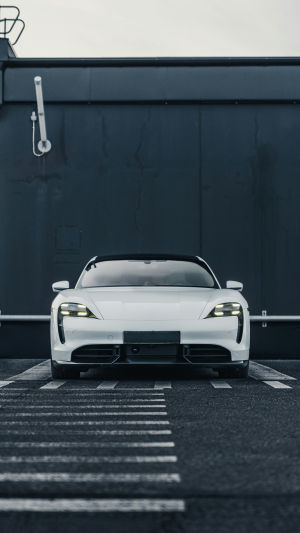
Have you ever been driving at night, only to notice your headlights aren't as bright as they used to be? It's more than just a minor inconvenience—it can be a real safety concern.
Over time, the brightness of car lights tends to fade, but luckily, there are several ways to fix this.
If you've noticed your headlights becoming dimmer, here's a breakdown of why it happens and how to restore their full glow.
<h3>Check Your Headlight Bulbs</h3>
One of the most straightforward reasons for dimming headlights is simply worn-out bulbs. Over time, the filament inside the bulb deteriorates, causing it to emit less light.
<b>How to fix it:</b> Replacing the bulbs is the easiest and most effective solution. Choose quality bulbs that suit your car model. For example, halogen bulbs are the most common, but you can also consider upgrading to LED or HID bulbs, which provide more brightness and longer lifespan.
<h3>Clean the Lenses</h3>
Headlight lenses can get cloudy or yellowed due to age, exposure to UV rays, and road grime. This cloudiness can block the light emitted from the bulb, reducing the effectiveness of your headlights.
<b>How to fix it:</b> Cleaning your headlight lenses can significantly improve brightness. You can use a headlight restoration kit, which usually includes a polishing compound and protective coating. If you're in a rush, DIY methods like using toothpaste or baking soda can also help remove some of the buildup.
<h3>Check the Wiring and Connectors</h3>
If your headlights are still dim even after replacing the bulbs and cleaning the lenses, the issue might be with the electrical connections. Loose or corroded wires can reduce the power going to your headlights, resulting in dim lighting.
<b>How to fix it:</b> Inspect the wiring around the headlight assembly. Look for any signs of corrosion or loose connectors. If you're not comfortable doing this yourself, it's a good idea to take your car to a mechanic who can fix the electrical issues. This might involve cleaning or replacing the connectors, or even rewiring the headlight system.
<h3>Aim Your Headlights Correctly</h3>
Sometimes the issue isn't with the brightness of the headlights themselves, but with how they're aimed. If they're not adjusted correctly, your headlights may be pointing in the wrong direction, casting light into areas where it's not needed and leaving the road ahead dim.
<b>How to fix it:</b> Headlight alignment can often be adjusted at home with the right tools. Park your car on a flat surface in front of a wall, and use the adjustment screws to align the lights so they're aimed straight ahead. If you're unsure about how to do this, most auto repair shops can perform the adjustment for a small fee.
<h3>Inspect the Alternator and Battery</h3>
In some cases, dim headlights could indicate an issue with your car's electrical system. If your alternator is failing or your battery is weak, it might not be providing enough power to your lights.
<b>How to fix it:</b> A quick test involves turning on your headlights and measuring the voltage across the battery terminals. A healthy system should read around 12.6 volts when the engine is off and 13.7-14.7 volts when the engine is running. If the voltage is low, it's worth having your alternator and battery checked by a professional.
<h3>Upgrade Your Headlight System</h3>
If you've tried all the fixes above and still aren't satisfied with your headlights, it might be time to upgrade the entire headlight system. Many modern cars now come with advanced lighting systems, such as adaptive headlights or automatic leveling, which can provide brighter and more consistent illumination.
<b>How to fix it:</b> Consider upgrading to LED or HID headlights if your car doesn't already have them. These types of bulbs are not only brighter but also more energy-efficient and longer-lasting. Some kits are designed to be easily installed in older models, and they can significantly improve night driving visibility.
<h3>Perform Regular Maintenance</h3>
As with any part of your car, regular maintenance can help extend the life of your headlights. Make a habit of checking the bulbs, cleaning the lenses, and inspecting the electrical system during routine service appointments.
<b>How to fix it:</b> Every few months, give your headlights a quick inspection. Clean off any grime, check the bulb's condition, and make sure the wiring is intact. This can prevent small issues from becoming big, expensive repairs down the line.
Car headlights are essential for safe driving, especially at night. Keeping them in top condition doesn't have to be a hassle. By regularly maintaining your headlights and addressing issues early, you can restore their brightness and ensure you're always ready for the road ahead.


