

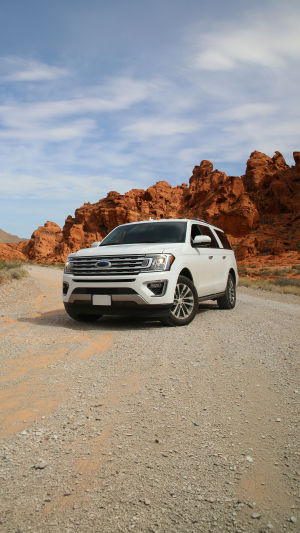
The road twists sharply, the car leans slightly on the curve, and the scenery drops away on one side.
Driving in the mountains is a rhythm all its own. Unlike flat highways, every bend and incline demands focus, balance, and anticipation.
For drivers new to winding roads, understanding pace and where to look can mean the difference between a smooth, confident drive and a stressful, jerky experience.
<h3>Find the Right Driving Rhythm</h3>
Mountain roads often require a steady, adaptable pace rather than constant speed. Learning the rhythm helps you respond naturally to curves and elevation changes.
<b>Adjust speed for curves:</b> Slow down before entering a turn, not during. For instance, approaching a hairpin, reduce speed gradually to maintain control. Accelerate gently once you're halfway through the curve, keeping the car balanced.
<b>Use engine braking:</b> Descending steep sections is safer with engine braking instead of constant pedal pressure. Shift to a lower gear and let the engine manage speed, reducing brake wear and maintaining stability.
<b>Plan your overtakes:</b> Curves limit visibility. Only overtake when the road ahead is straight, clearly visible, and wide enough. Practicing patience on windy stretches keeps both you and others safe.
A consistent rhythm of slowing, steering, and accelerating prevents abrupt movements and makes driving smoother.
<h3>Manage Your Line of Sight</h3>
Where you look shapes how you drive. On mountain roads, proper eye placement allows better anticipation of upcoming bends and hazards.
<b>Look ahead in the curve:</b> Focus on where you want the car to go, not immediately in front of the bumper. For example, when approaching a sharp left, aim your gaze toward the exit of the curve; your hands and car will naturally follow.
<b>Scan for obstacles:</b> Watch for fallen rocks, wildlife, cyclists, or slow vehicles in blind sections. Adjust speed and lane position accordingly.
<b>Use mirrors strategically:</b> Check rear traffic before slowing or braking. A car behind may approach faster than expected, requiring smooth deceleration.
Maintaining a clear line of sight improves reaction time and allows you to follow the road's natural flow.
<h3>Balance Braking and Acceleration</h3>
Mountain driving is about smooth control, not rapid inputs. The combination of curves and slopes means brakes and accelerator must work in harmony.
<b>Brake before curves:</b> Avoid braking mid-turn, which can destabilize the car. For example, on a steep curve, reduce speed slightly earlier to allow for safer cornering.
<b>Gentle acceleration:</b> Gradually press the gas after the apex of a turn to regain speed without skidding. Sudden acceleration can lead to wheel slip, especially on wet or gravel sections.
<b>Downshift when needed:</b> Using a lower gear helps maintain control on both uphill and downhill slopes. Practice shifting smoothly to match speed without jerking.
This balance keeps the car predictable and under control, reducing fatigue and stress on both driver and vehicle.
<h3>Maintain Safe Distance and Position</h3>
On narrow mountain roads, spacing is as important as speed. Adequate distance gives room for sudden maneuvers.
<b>Keep extra space:</b> Leave a buffer behind vehicles ahead. On steep descents, a slightly larger gap allows for unexpected stops. For example, on a winding section, keep at least three to four seconds behind a slower vehicle.
<b>Stay centered in your lane:</b> Avoid hugging the edge, especially on blind curves. This reduces the risk of clipping rocks, guardrails, or oncoming vehicles.
<b>Anticipate passing vehicles:</b> Watch for wider spots where cars may pass safely. Adjust position early rather than reacting at the last second.
Proper positioning reduces tension and gives both you and other drivers more predictability.
<h3>Adapt to Changing Conditions</h3>
Weather, elevation, and road surface can change quickly in the mountains. Being prepared keeps you confident.
<b>Monitor the road surface:</b> Wet patches, gravel, or fallen leaves reduce traction. Adjust speed and braking accordingly.
<b>Check visibility:</b> Fog or low sun angles can reduce sight distance. Slow down and increase alertness in these conditions.
<b>Be ready for wildlife:</b> Animals can appear suddenly around blind curves. Reducing speed in forested or open sections increases reaction time.
Adaptability allows you to maintain rhythm and control despite unexpected challenges.
Mastering mountain driving is about rhythm, awareness, and adaptability. By adjusting speed, maintaining a clear line of sight, balancing braking and acceleration, and adapting to changing conditions, drivers can confidently navigate even the most challenging winding roads. With practice and patience, mountain driving becomes a smooth and enjoyable experience.


