

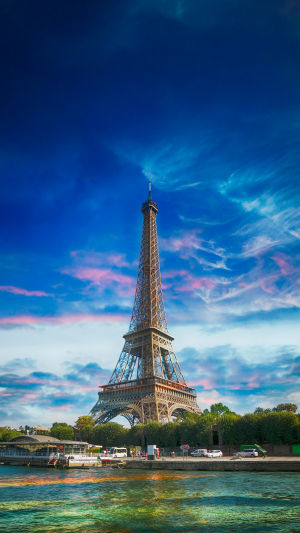
Rising like a giant lace needle against the Parisian sky, the Eiffel Tower is the ultimate symbol of romance and engineering audacity.
Originally intended to stand for only twenty years, this 330-meter iron giant has defied critics and the elements to become the most visited paid monument in the world.
Whether you are watching its golden lights flicker across the Seine or standing on the transparent glass floor of the first level, the tower offers a perspective of the world that feels both historic and futuristic.
Eiffel Tower
<h3>Engineering a Cultural Icon</h3>
Gustave Eiffel's creation was the centerpiece of the 1889 World's Fair, marking the centennial of the French Revolution. It is composed of 18,038 individual iron parts joined together by 2.5 million rivets. At the time of its construction, many of Paris's elite artists protested against it, calling it a "giant black smokestack." However, its utility as a radiotelegraph station saved it from demolition.
The tower is not a static object; it breathes with the seasons. Due to the thermal expansion of the metal, the iron structure can grow by up to 15 centimeters during a hot summer day. Every seven years, the entire structure is repainted by hand using 60 tons of "Eiffel Tower Brown" paint to prevent rust. This meticulous maintenance ensures that the lattice remains as sturdy today as it was over a century ago.
<h3>Exploring the Three Levels</h3>
The tower is divided into three distinct sections, each offering a different experience. The first level features a spectacular glass floor 57 meters above the ground, giving visitors the sensation of floating over the ticket queues below. This level also houses interactive displays and seasonal exhibits that detail the tower's history.
The second level is widely considered the best spot for photography. At 115 meters, you are high enough to see all the major landmarks—the Louvre, Notre Dame, and the Sacré-Cœur—but low enough to still see the detail of the city's Haussmann architecture.
For those seeking the ultimate height, the summit offers a glimpse into Gustave Eiffel's private office, restored to its original condition, and a breathtaking 360-degree view that stretches for 60 kilometers on a clear day.
<h3>Essential Visitor Logistics</h3>
Visiting the tower requires careful planning, as wait times for the elevators can exceed two hours during peak season.
<b>Practical Travel Information:</b>
1. Transportation: The most scenic way to arrive is via the Metro (Line 6 to Bir-Hakeim or Line 9 to Trocadéro). The RER C train also stops at Champ de Mars-Tour Eiffel, which is just a short walk from the base.
2. Opening Hours: The tower is typically open from 9:30 AM to 10:45 PM. During the peak summer months, hours often extend from 9:00 AM to 11:45 PM.
3. Admission Prices: Ticket prices vary by level and method of ascent. An elevator ticket to the summit costs approximately $31. Taking the stairs to the second level is a budget-friendly $13, while an elevator ticket to the second level is around $20.
4. Accommodation Options: Staying in the 7th Arrondissement puts you at the tower's doorstep, with boutique hotels like Hotel Muguet ranging from $250 to $350 per night. For a more affordable stay, look in the 15th Arrondissement, where rooms average $160 to $230 per night.
5. Dining Costs: A simple snack at the first-floor buffet costs around $10, while a multi-course meal at the celebrated Jules Verne restaurant on the second floor can start at $220 per person.
<h3>The Magic of the Nightly Sparkle</h3>
Once the sun sets, the Eiffel Tower undergoes a dramatic transformation. Every hour on the hour, for five minutes, 20,000 light bulbs sparkle simultaneously. This light show is a masterpiece of electrical engineering, and the best place to view it is from the Place du Trocadéro across the river. The golden lighting that illuminates the tower from within was installed in 1985 and is designed to highlight the intricate curves and beams of the ironwork.
<h3>Practical Tips for a Smooth Trip</h3>
To avoid the longest lines, always book your tickets online at least two months in advance. If the elevators are sold out, the stairs to the second floor are usually available and offer a much shorter wait time—plus, you get a great workout with 674 steps. Be wary of unauthorized street vendors around the base; stick to the official gift shops located inside the tower for authentic souvenirs.
The Eiffel Tower remains more than just a tourist destination; it is a testament to human creativity and the ability of a structure to define the identity of a nation. From the intricate rivets to the sweeping views of the city, every visit reveals a new layer of its complex beauty. By understanding the logistics and the history behind the iron, you can ensure your trip to the heart of Paris is truly unforgettable.


