

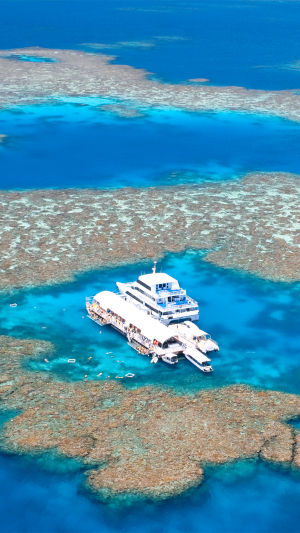
There is a moment that happens on the second or third day of a yacht trip that nobody warns you about.
The marina is behind you, the schedule is gone, and the only decision that matters is which bay to anchor in before the afternoon wind picks up.
You make the call, the anchor drops, the water is the color it was in every photograph that made you want to do this in the first place, and you realize that you have been living at the wrong pace for quite some time.
That moment is why people come back to yacht travel year after year, and it is entirely available to anyone willing to put in the planning that makes it happen smoothly.
The good news is that planning a yacht trip is considerably less complicated than it appears from the outside. The decisions are finite, the costs are predictable once you understand the structure, and the destinations that suit this kind of travel are some of the most beautiful coastlines in the world.
<h3>Choosing the Right Charter Type</h3>
The first decision is whether to charter a bareboat, hire a skippered yacht, or join a flotilla. Each works for a different kind of traveler.
A bareboat charter means you take the helm yourself. You need a recognized sailing qualification, typically a Day Skipper certificate or equivalent, and genuine on-water experience. Bareboat rates in the Mediterranean start from approximately $1,500 to $3,000 per week for a 38 to 42-foot vessel in shoulder season, rising to $3,000 to $6,000 per week in peak summer.
A skippered charter includes a professional skipper who handles navigation, anchoring, and anything else you prefer not to manage yourself. You arrive, you enjoy, the skipper does the rest. Adding a skipper typically costs approximately $150 to $200 per day on top of the vessel rate.
A flotilla places your boat within a group of other yachts led by a lead boat with experienced crew. You sail independently but with support available. This suits first-timers who want some autonomy without full responsibility. Flotilla packages start from approximately $800 to $1,500 per person per week including the vessel.
<h3>Best Destinations for First-Time Yacht Travelers</h3>
The Greek Dodecanese islands, particularly the waters around Rhodes, Kos, and Symi, suit first-time charterers well. Anchorages are plentiful, distances between islands are manageable, the winds are predictable in summer, and the harbors in the smaller islands retain genuine local character. A one-week itinerary typically covers four to six islands comfortably without rushing.
Mooring fees at Dodecanese harbors vary by island: Symi charges approximately €38 per night, Tilos around €22 per day, and Kalymnos about €11 per day, while Nisyros offers free docking.
Croatia's Dalmatian coast between Split and Dubrovnik offers the same reliable summer sailing conditions with the addition of the Kornati island chain, a national park of 89 uninhabited islands with protected anchorages that feel entirely removed from the tourist infrastructure visible in the larger harbor towns. Park entry for visiting yachts costs approximately $30 to $50 per vessel per day.
Turkey's Turquoise Coast, particularly the bays around Göcek and the Bozburun Peninsula, provides some of the most sheltered anchorages in the Mediterranean alongside access to ancient ruins that are reachable only by sea. Charter rates here run approximately 20 to 30 percent lower than equivalent vessels in Greece or Croatia.
Bozburun Yarimadasi
<h3>What the Budget Actually Covers</h3>
The charter rate is only part of the total cost, and understanding the full picture before booking prevents unpleasant surprises at the end of the trip.
Fuel is additional and depends entirely on how much you motor versus sail. A week of mixed sailing and motoring in the Mediterranean typically adds $200 to $400 in fuel costs for a 40-foot vessel. Marina fees for overnight berths in busy harbors run $40 to $120 per night depending on location and season. Anchoring in open bays is free and avoids the marina cost entirely, which most experienced charterers prefer anyway.
Provisioning the boat with food, water, and supplies for a week typically runs $600 to $900 for a group of six, depending on eating habits and whether you plan to cook aboard or eat ashore each evening.
A security deposit of $1,500 to $3,500 is standard on most charters, held on a credit card and returned at the end of the trip subject to no damage. Charter insurance that reduces or eliminates this deposit is available from most brokers for approximately $150 to $250 per week and is worth considering for peace of mind.
<h3>Packing for a Week Aboard</h3>
The single most useful piece of advice for first-time yacht travelers is to pack in a soft bag rather than a rigid suitcase. Storage on a yacht is built around soft bags that compress and fit into lockers that rigid cases cannot enter. Bring less clothing than you think you need — you will wear the same things repeatedly and the boat's swim platform becomes the primary wardrobe rotation system.
Non-slip deck shoes or boat shoes with white non-marking soles are the only footwear requirement that genuinely matters. Everything else is optional.
Yacht travel rewards the traveler who loosens the schedule and lets the wind and the anchorage guide the day. The best bay of any trip is rarely the one you planned to stop at — it is the one you found because the afternoon wind pushed you east instead of west and you dropped the anchor somewhere that turned out to be perfect.
That kind of discovery is only available when you stop planning every hour and start paying attention to what the sea is offering. Get the logistics right, then let the rest happen.


