

The first time you slip beneath the surface, everything changes. Sound fades, movement slows, and your focus narrows to breath and balance.
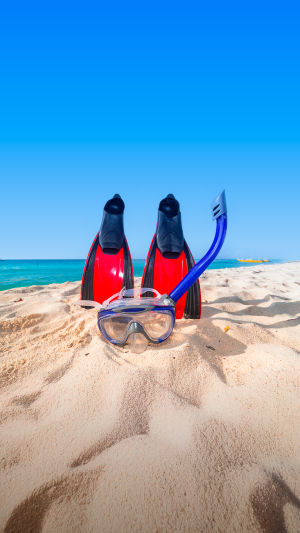
It feels simple from the outside, but the experience depends heavily on one thing—having the right gear, prepared the right way.
Not expensive, not excessive, just thoughtful.
<h3>Mask: Your Window Underwater</h3>
A good mask makes all the difference. It should sit snugly on your face without leaving gaps. When you try one on, inhale gently through your nose—the mask should stay in place without using the strap.
Low-volume masks are often preferred for freediving because they're easier to equalize underwater. Clear vision is key, so avoid overly tinted lenses if you're diving in lower light conditions. Comfort matters more than style here.
<h3>Snorkel: Keep It Simple</h3>
For freediving, a basic snorkel works best. Complicated designs with extra valves might look appealing, but they can actually get in the way. A soft, flexible tube is easier to manage when switching between breathing at the surface and diving down.
Attach it securely to your mask strap, but not too tight—you want it stable, not rigid.
<h3>Fins: Power with Less Effort</h3>
Long fins are the standard for freediving. They help you move efficiently with slow, controlled kicks, saving energy and oxygen. When choosing fins, focus on fit first. Your feet should feel supported, not squeezed.
There are different materials available, from plastic to fiberglass and carbon fiber. Beginners can start with plastic fins—they're more affordable and still very effective.
<h3>Wetsuit: Stay Comfortable Longer</h3>
Water temperature changes everything. Even in warm places, staying in the water for a while can make you feel cold. A well-fitted wetsuit helps maintain body warmth and improves buoyancy.
Freediving wetsuits are usually two-piece designs, offering better flexibility. The fit should be close to your body without restricting movement. Too loose, and it won't keep you warm; too tight, and it becomes uncomfortable.
<h3>Weight Belt: Finding Balance</h3>
Buoyancy control is essential. A weight belt helps you descend smoothly without excessive effort. The key is not to overload it.
Start light. You should be able to float comfortably at the surface while still being able to dive with a gentle kick. Rubber belts are often preferred because they stay in place better during movement.
<h3>Small Details That Matter</h3>
Some items may seem minor, but they improve the experience significantly:
1. Nose clip: useful for hands-free equalizing
2. Dive watch: helps track depth and time
3. Mesh bag: makes rinsing and carrying gear easier
These aren't mandatory for beginners, but they quickly become valuable as you dive more often.
<h3>Preparation Before Entering Water</h3>
Before you even touch the water, take a few minutes to check everything. Adjust your mask, test your snorkel position, and make sure your fins feel secure. A quick rinse with clean water can prevent fogging and improve comfort.
Also, never rush into a dive. Take time to relax your breathing. Freediving is as much about mental calm as it is about physical ability.
In the end, preparing your gear isn't about collecting equipment—it's about creating a smooth, safe experience underwater. When everything fits well and works as expected, you stop thinking about the gear entirely. And that's when the real magic of diving begins.


