

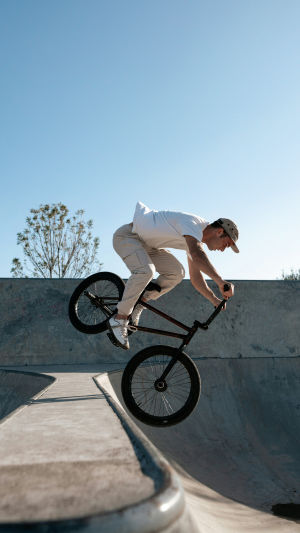
A bicycle can feel smooth, wild, fast, shaky, heavy, or playful without changing a single part. Sometimes the secret sits quietly inside the tires.
Many riders focus on shiny gear, colorful frames, or fancy upgrades, yet tire pressure affects nearly everything you feel on the road or trail. A few pumps too much or too little can turn a joyful ride into a bouncing disaster or a slow-rolling struggle.
<h3>The Air Secret</h3>
Before changing pressure randomly, it helps to understand what your tires are actually doing during a ride. Tires are not simply round rubber circles. They constantly flex, stretch, bounce, and adapt to the ground beneath you. The amount of air inside determines how much movement happens every second.
<b>Why Hard Tires Feel Fast</b>
High-pressure tires usually feel quicker on smooth roads. Less rubber touches the ground, so rolling becomes easier. When you ride across clean pavement, firm tires often create that speedy, floating feeling many cyclists enjoy.
But there is a funny twist. Extra-hard tires sometimes become slower on rough surfaces. Instead of absorbing bumps, they bounce over them like tiny jumping balls. Your body ends up shaking more, energy dissipates faster, and the ride suddenly feels tiring.
You may notice this during long city rides. At first, firm tires seem exciting. After thirty minutes, every rough patch feels annoying. Hands may tire, shoulders tighten, and the bike can become noisy.
That is why professional riders do not simply pump tires to the maximum number printed on the sidewall. Many experienced cyclists carefully tune pressure depending on weather, surface, and riding style.
<b>Soft Tires Create Surprising Grip</b>
Lower pressure increases the tire contact area touching the ground. That extra grip can make corners feel safer and smoother. On gravel paths or uneven roads, softer tires help the bike stay calm instead of bouncing around.
Imagine trying to walk across slippery rocks with stiff wooden shoes. Then imagine soft running shoes that adapt to the surface. Tires behave similarly.
Mountain riders especially love this effect. Slightly lower pressure helps tires hug roots, dirt, and loose stones. The bike becomes easier to control during turns and descents.
Still, going too soft creates different trouble. The bike may feel sluggish and heavy. Sharp impacts can pinch the tube inside the tire, causing flats. Pedaling suddenly feels like moving through sticky grass.
Finding balance matters more than chasing extreme numbers.
<b>Your Weight Changes Everything</b>
Two riders using the same bike may need completely different tire pressures. A lighter rider usually needs less pressure because the tires compress less naturally. A heavier rider often requires more support to avoid excessive squish.
Carrying backpacks also changes pressure needs. Even a small bag filled with water bottles, snacks, or tools affects tire behavior.
That is why copying another cyclist perfectly rarely works. Tire pressure is personal. Your comfort, riding style, and local roads matter more than internet guesses.
<h3>Ride Like a Pro</h3>
Once you understand the basics, tire pressure becomes a fun tool rather than a confusing number. Small adjustments can completely reshape your riding experience without spending money on expensive equipment.
<b>The Sidewalk Bounce Test</b>
A simple trick helps many riders discover pressure problems quickly. Ride slowly across rough pavement or small sidewalk seams.
If the bike rattles aggressively and feels jumpy, the pressure may be too high. If the tires feel sluggish or squirmy during turns, pressure may be too low.
The sweet spot usually creates a calm feeling. The bike stays lively but controlled. Small bumps soften without making the tires feel sleepy.
Many riders become shocked after lowering pressure slightly for the first time. Suddenly the bike feels smoother, quieter, and easier to handle.
<b>Weather Quietly Changes Pressure</b>
Temperature affects tire pressure more than many people realize. Cold mornings often reduce pressure naturally. Hot afternoons can increase it.
That means a bike feeling perfect one day may feel strange during a weather shift. Riders sometimes blame themselves when the real reason is inside the tires.
Checking pressure regularly prevents surprises. A small floor pump with a pressure gauge becomes one of the most useful cycling tools you can own.
Even experienced cyclists occasionally forget this detail and wonder why their ride suddenly feels awkward.
<b>Different Roads Need Different Air</b>
Smooth pavement usually works better with firmer pressure. Gravel roads often feel better slightly softer. Wet surfaces may also benefit from reduced pressure because extra grip improves stability.
Think of tires like shoes again. You would not wear slippery formal footwear during a muddy hike. Bikes also prefer different setups depending on terrain.
Some riders make tiny adjustments before every ride. Others create favorite pressure ranges for specific locations around town. After enough experimentation, your body starts recognizing the perfect feel almost instantly.
<b>Comfort Can Increase Speed</b>
This surprises many beginners. A more comfortable bike can sometimes become faster overall.
When tires absorb vibration efficiently, your body wastes less energy fighting bumps. Muscles stay relaxed longer. Breathing feels easier. Long rides become less exhausting.
Many modern cycling experts now use slightly lower pressure than riders did years ago. Research and real world testing showed that comfort and efficiency often work together rather than against each other.
That does not mean ultra soft tires magically solve everything. It simply means the hardest possible setup is not always the smartest choice.
<b>Pressure Changes Confidence</b>
One overlooked effect involves psychology. A bike that feels stable encourages smoother riding. You turn more naturally, brake more calmly, and enjoy the experience more fully.
Meanwhile, uncomfortable tires can create nervous habits. Riders tense up, avoid corners, or become distracted by constant vibration.
Confidence transforms cycling. Tire pressure quietly influences that confidence every second.
Some cyclists even describe the perfect setup as making the bike disappear beneath them. The ride feels natural instead of mechanical.
Tiny changes inside your tires can completely reshape your cycling experience. Tire pressure controls comfort, speed, grip, and stability in ways many riders never expect. The best pressure is rarely the hardest or softest option.
In cycling, comfort and performance often come from small, thoughtful adjustments rather than expensive gear. Mastering your tire pressure lets you ride with confidence, efficiency, and joy—every single time you pedal.
Lykkers, the next time a ride feels strange, do not immediately blame the weather or your energy level. Check the tires first. A few seconds with a pump may completely change the journey ahead.


