

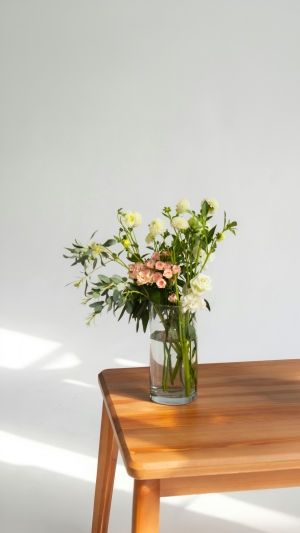
Have you noticed how a simple flower arrangement can completely change the mood of a room? A few fresh blooms on the dining table, a small bouquet beside the window, or a creative centerpiece in the living room can make everyday life feel brighter and more relaxing.
Lykkers, flower arranging is not as difficult as many people think. We do not need professional training to create something beautiful. Once we understand a few useful techniques, we can easily make floral designs look more natural, balanced, and artistic.
Today, let’s explore some practical floral ideas that can help us improve our flower arrangements and enjoy the creative process even more.
<h3>Choose the Right Container</h3>
The container plays a huge role in the overall look of a floral display. Different shapes, materials, and sizes create completely different moods.
For example, clear glass containers often give a light and elegant feeling. Ceramic pieces create a calm and cozy atmosphere. Metal or woven containers can add texture and personality.
When choosing one, we can think about the shape and size of the blooms. Tall stems usually look better in deeper containers, while smaller blossoms fit nicely in shorter designs. Matching the style of the container with the flowers helps everything feel more harmonious.
<h3>Pick Fresh and Healthy Blooms</h3>
Fresh materials make a big difference. Flowers with bright color, firm petals, and healthy stems usually last longer and look more lively indoors.
Before arranging, we can remove damaged leaves and trim the stems slightly at an angle. This helps the flowers absorb water more effectively. Clean water is also important because it keeps the arrangement looking fresh for a longer time.
It is also fun to select blooms based on the season. Seasonal choices often look more natural and create a stronger connection with the environment around us.
<h3>Understand How Long Flowers Last</h3>
Every type of bloom has a different lifespan. Some stay fresh for many days, while others fade more quickly.
When combining flowers together, it is helpful to group materials with similar longevity. This keeps the arrangement balanced over time. If one type fades too quickly, the entire design may lose its charm earlier than expected.
We can also prepare a few extra stems at home. Replacing older blooms with fresh ones helps maintain the beauty of the arrangement without rebuilding everything from the beginning.
<h3>Learn the Meaning Behind Flowers</h3>
Flowers often carry emotional meanings and cultural symbolism. Understanding these meanings can make floral designs feel more thoughtful and personal.
For example, roses are often connected with affection and warmth. Daisies usually symbolize simplicity and freshness. Lilies are commonly linked with elegance and harmony.
When we create arrangements for family gatherings, celebrations, or daily decoration, choosing blooms with suitable meanings can make the display feel more meaningful and memorable.
<h3>Pay Attention to Color Matching</h3>
Color combination is one of the most important parts of flower arranging. Good color balance can make even simple blooms look impressive.
Cool tones like blue, white, and light purple often create a calm and refreshing atmosphere. Warm shades such as orange, yellow, and pink can make a space feel brighter and more welcoming.
A useful beginner tip is to choose one main color and one or two supporting shades. This helps the arrangement look clean instead of overly busy. Soft transitions between colors also create a more elegant visual effect.
<h3>Understand the Needs of Different Plants</h3>
Different flowers and greenery grow in different environments. Some prefer more moisture, while others stay healthier in drier conditions.
Understanding these characteristics helps us care for arrangements more effectively. Certain blooms may require cooler spaces away from direct sunlight, while others can handle warmer rooms.
Changing the water regularly and keeping the container clean can also help flowers stay attractive longer. Small daily care routines make a noticeable difference.
<h3>Practice Basic Floral Techniques</h3>
Simple arranging techniques can greatly improve the final result. Trimming stems, shaping branches gently, and securing flowers properly all help create a more polished display.
One helpful trick is to vary the stem lengths slightly. This creates depth and movement instead of making the arrangement appear flat. Crossing stems inside the container can also provide extra support and help flowers stay in place naturally.
The more we practice, the easier it becomes to understand balance and structure.
<h3>Adjust Height and Placement Carefully</h3>
The angle and height of each flower affect the overall appearance. Some blooms look beautiful when placed slightly sideways, while others stand out better in an upright position.
Tall flowers can create elegance and movement, while shorter stems add fullness near the base. Combining different heights often makes arrangements appear more dynamic and artistic.
It also helps to step back occasionally and observe the design from different angles. Small adjustments can improve the balance dramatically.
<h3>Add Greenery for a Natural Look</h3>
Green leaves and decorative branches can make arrangements feel fuller and more natural. They help frame the blooms and add texture without making the display feel crowded.
Small fruits, dried materials, or seasonal elements can also bring extra personality to the arrangement. These details create warmth and make the design feel more connected to nature.
Sometimes, a simple arrangement with fewer blooms and more greenery can actually look more elegant and modern.
<h3>Create a Style That Feels Personal</h3>
Flower arranging is a creative activity, and there is no single correct style. Some people enjoy soft and romantic designs, while others prefer minimal and modern arrangements.
The best part is experimenting with different shapes, colors, and textures until we discover what feels most comfortable and expressive. Personal touches often make floral designs more memorable than perfectly symmetrical arrangements.
We can even use everyday objects at home as creative containers or decoration pieces. This makes the process more fun and unique.
<h3>Enjoy the Beauty of Everyday Floral Design</h3>
Lykkers, flower arranging is not only about decoration. It is also a relaxing and creative way to enjoy daily life. A thoughtfully arranged bouquet can brighten a quiet afternoon, refresh a workspace, or make a simple meal feel more special.
By learning these practical techniques step by step, we can create floral displays that feel balanced, artistic, and full of personality. The most important part is enjoying the process and expressing our own sense of beauty through flowers.


