

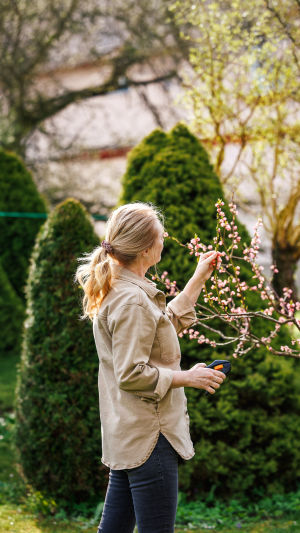
Peach blossoms make a garden feel soft, bright, and full of promise. Walking among blooming branches with pruning shears may look peaceful, but real skill is at work. For Lykkers, caring for peach blossoms means reading the tree, noticing tiny changes, and guiding flowers into stronger growth.
A peach tree rewards attention. Its blossoms tell you about weather, branch health, sunlight, and future fruit potential. With a few practical habits, you can turn a simple garden check into a calm, useful routine.
<h3>Reading The Peach Tree</h3>
Before using pruning shears, you need to observe. Peach trees speak through blossom color, branch shape, leaf growth, and overall balance. This part helps you slow down and notice what the tree is already showing you.
<b>Check The Bloom Stage</b>
Peach blossoms do not open all at once. Some buds stay closed, some flowers open fully, and some petals begin to fall. When you check the tree, look at these stages first. A tree with many closed buds still has bloom time ahead. A tree covered in open flowers may need gentle protection from sudden weather changes.
You can walk around the tree slowly and view it from every side. The sunny side often opens earlier, while shaded branches may bloom later. This uneven timing is normal. It gives you clues about sunlight patterns in your garden.
A useful habit is taking one quick photo every two days during blooming season. After one week, you will see how fast the tree changes. This helps you learn your tree’s rhythm instead of guessing.
<b>Notice Branch Direction</b>
A healthy peach tree needs open structure. Branches that grow inward can block light and airflow. Branches crossing each other may rub and weaken over time. During bloom, these problems become easier to notice because flowers outline the shape of each branch.
Stand back and imagine sunlight moving through the tree. Can light reach the center? Do some branches crowd the middle? Are there long shoots growing straight upward while better fruiting branches sit lower?
You do not need to fix everything in one session. In fact, heavy work during bloom is not ideal for many gardeners. Use this time mostly for checking and planning. Mark crowded areas in your notes, then handle stronger pruning during a better seasonal window based on local peach care guidance.
<b>Look For Weak Or Damaged Growth</b>
Blooming branches can look lovely, yet some may still be weak, dry, or damaged. Check for broken tips, shriveled flowers, strange leaf color, or branches that look lifeless compared with nearby growth.
Use clean pruning shears only for small corrections when needed. Remove clearly dead or broken twigs with care. Keep cuts neat and avoid tearing bark. Clean tools help reduce disease transfer, especially when moving between trees.
A simple tool habit helps a lot: wipe pruning shears before and after garden work. Keep them dry afterward. Sharp, clean tools make gardening easier and kinder to plants.
<h3>Care Tips For Better Bloom</h3>
Once you understand what the peach tree is showing, daily care becomes more relaxed. This part focuses on practical routines Lykkers can try, from watering checks to simple blossom-season protection.
<b>Water With Attention</b>
Peach trees need steady moisture, especially during active growth, but soggy soil can cause stress. Instead of watering by habit alone, check the soil. Press a finger into the upper layer near the root area, not directly against the trunk. If it feels dry below the surface, watering may help. If it still feels moist, wait.
Morning watering usually works well because leaves and soil have time to settle through the day. Water deeply enough to reach roots rather than giving tiny surface splashes. A wide watering area encourages roots to grow outward.
You can also add mulch around the tree to help hold moisture and reduce weeds. Keep mulch away from the trunk base so air can move there. Think of mulch as a soft blanket around the root zone, not a pile against the tree.
<b>Protect Blossoms From Cold Nights</b>
Peach blossoms can be sensitive to sudden cold. When a chilly night is forecast, small trees may benefit from light covering. Use breathable fabric or garden fleece, and remove it in the morning so sunlight and air return.
For container peach trees, moving them near a sheltered wall during cold spells can reduce stress. Avoid placing them somewhere too warm too quickly, because sudden temperature swings can confuse growth.
A funny but useful garden habit is naming your cold-night plan. Call it Blossom Rescue Mode. When the forecast looks risky, you already know what to do: cover, shelter, check in the morning, then celebrate any flowers still smiling.
<b>Feed Carefully, Not Dramatically</b>
Peach trees need nutrients, but more feeding does not always mean better flowers. Too much nitrogen can encourage leafy growth over blossom and fruit balance. Use a balanced fruit tree fertilizer according to package guidance or local horticultural advice.
The best approach is observation plus moderation. If the tree grows well, blooms reliably, and leaves look healthy, avoid overcomplicating care. If growth seems weak year after year, soil testing can help reveal what is missing.
For Lykkers with small gardens, compost can improve soil structure over time. Add it around the root area in a thin layer and avoid burying the trunk. Good soil care is slow work, but peach trees often respond well to consistency.
<b>Invite Pollinators Gently</b>
Blossoms need pollination for fruit development. Bees and other helpful insects visit flowers when conditions are welcoming. Planting nearby flowers with staggered bloom times can support pollinator visits across the season.
Avoid spraying chemicals during bloom, especially when insects are active. If pest control is needed, seek targeted, low-impact methods and apply them with care outside pollinator activity times.
You can make your garden more inviting by adding shallow water with stones for insects to land on, keeping a few flowering plants nearby, and reducing unnecessary disturbance. A peach tree surrounded by life often feels more balanced.
<b>Make A Blossom Journal</b>
A garden journal turns casual care into real learning. You do not need fancy pages. Write the date, weather, bloom stage, watering notes, and anything unusual. Add photos if convenient.
After one season, the journal becomes valuable. You may notice that blooms opened earlier than expected, cold nights affected certain branches, or one side of the tree needed more light. Next year, your care becomes smarter.
Try adding one playful note each time, such as today’s blossom mood. Possible entries include shy pink, confetti energy, or dramatic petal rain. Gardening should stay useful, but it can also stay charming.
A gardener checking peach blossoms with pruning shears is doing more than trimming. She is observing timing, shape, health, weather risk, and future growth. For Lykkers, peach blossom care can become a relaxing seasonal ritual. Walk slowly, check carefully, prune lightly when needed, protect blooms from cold, and keep simple notes. With steady attention, spring beauty can lead to a healthier tree and a more rewarding garden.


