

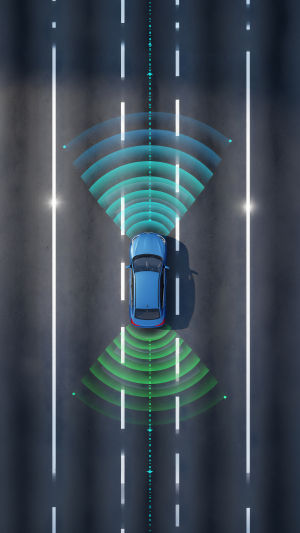
Self-driving cars are becoming a part of our daily lives, offering a new level of convenience and freedom on the road.
However, with great technology comes great responsibility—especially when it comes to the privacy and security of the data these cars collect.
From personal preferences to location tracking, autonomous vehicles rely heavily on user data. But how do we ensure that this information is protected from unauthorized access or misuse? Let's check it now.
<h3>The Rise of Self-Driving Cars</h3>
As more automakers test and roll out self-driving vehicles, the technology is advancing faster than we can keep up with. Autonomous cars use a variety of sensors, cameras, and software to navigate the roads without human intervention. While this technology promises a safer and more efficient future, it also raises significant concerns regarding data privacy.
The most important thing to remember is that these cars are essentially mobile data centers. They collect vast amounts of personal information to make the driving experience smoother—everything from your travel history to your favorite radio stations. The more connected a car becomes, the more vulnerable it is to potential breaches. So, what can be done to safeguard this data?
<h3>Types of Data Self-Driving Cars Collect</h3>
Self-driving cars gather data through sensors, GPS systems, and onboard computers. Here are some of the key data types that can be collected:
<b>Location Data:</b> Cars track your every move. From daily commutes to spontaneous trips, your exact location and travel routes are stored.
<b>Driving Habits:</b> Speed, braking patterns, and acceleration rates are collected to improve the car's performance.
<b>In-Vehicle Data:</b> Preferences such as seating positions, temperature settings, and entertainment choices are logged.
<b>Vehicle Diagnostics:</b> Information on car health, tire pressure, and engine status is constantly monitored.
Each of these data points has the potential to be exploited if not handled properly.
<h3>Risks of Data Privacy Breaches</h3>
Just like any other connected device, self-driving cars are vulnerable to cyberattacks. If someone gains unauthorized access to a vehicle's data system, they could potentially steal sensitive personal information, manipulate the car's systems, or track your movements in real-time.
<b>Example 1:</b> A hacker gaining access to a car's GPS could potentially track the movements of individuals or gain access to a person's daily habits.
<b>Example 2:</b> With access to driving habits, a hacker could identify weaknesses in a person's driving and use that information for malicious purposes.
As the technology becomes more sophisticated, the consequences of a breach also become more serious. But there's hope: automakers and tech companies are investing heavily in measures to ensure data security.
<h3>How to Protect Your Data in Self-Driving Cars</h3>
With all this data on the line, it's essential that automakers take strong steps to protect it. Fortunately, there are a few strategies you can use to ensure that your information remains safe.
<b>Encryption:</b> One of the most effective ways to protect sensitive data is through encryption. Encryption turns data into unreadable text that can only be decoded with the proper key. Automakers must use strong encryption methods to ensure that data stored in self-driving cars is protected from unauthorized access.
<b>Data Anonymization:</b> Rather than storing personally identifiable information, anonymizing the data ensures that even if it's intercepted, it cannot be traced back to an individual.
<b>Secure Communication Networks:</b> Autonomous vehicles rely on communication with other cars and infrastructure (like traffic signals and road sensors). By using secure communication protocols, the likelihood of a data breach is reduced.
<b>Frequent Software Updates:</b> Just like any software, self-driving cars need to be updated regularly to patch security holes. Automakers must provide continuous updates to fix vulnerabilities in the car's operating system.
<h3>What You Can Do</h3>
As a driver, you can take some steps to safeguard your data as well. Here are a few actionable tips:
<b>Review Privacy Settings:</b> Most self-driving cars come with privacy settings that allow you to control the types of data the car collects. Take the time to adjust these settings according to your preferences.
<b>Disable Unnecessary Features:</b> Some features, like location tracking, might not be necessary for your daily driving. Disabling these features can reduce the amount of data the car collects.
<b>Limit Third-Party Access:</b> Be mindful of the apps and services that are connected to your vehicle. Disconnect any third-party apps that you no longer use or trust.
<b>Use Strong Passwords:</b> If your vehicle has an account-based system (e.g., to control entertainment preferences), make sure to use strong passwords and change them regularly.
By taking these precautions, you can help protect your data from potential breaches.
<h3>A Look Ahead</h3>
As self-driving technology continues to evolve, so too will the challenges surrounding data privacy. While automakers are developing more sophisticated security measures, it's up to consumers to stay informed and proactive. By keeping your data secure, you can enjoy the convenience of autonomous driving without compromising your privacy.
The road ahead is an exciting one, but let's make sure it's a safe one too.


