

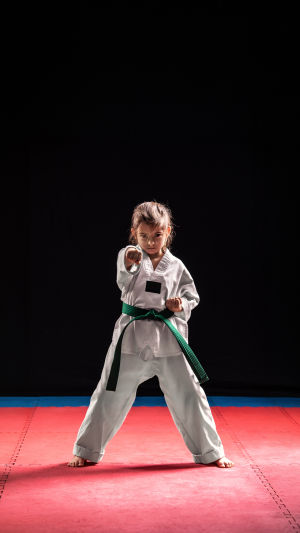
The first thing that stands out isn't the uniforms or the belts—it's the rhythm.
Feet sliding, quick turns, sharp kicks cutting through the air. Taekwondo feels more like a moving pattern than a typical sport, and once you start noticing that flow, it becomes surprisingly addictive.
<h3>Where It Comes From</h3>
Taekwondo traces back to Korea, shaped by traditional fighting systems and later refined into a modern discipline. Today, it's practiced globally, both as a competitive sport and a personal training routine. Its emphasis on kicking techniques sets it apart from many other combat sports—high, fast, and precise movements are the core identity.
If you want a reliable overview of its history and structure, this guide is a solid starting point.
<h3>What Training Feels Like</h3>
A typical session isn't just about throwing kicks randomly. It's structured but never dull:
• Warm-up: Light cardio, stretching, and mobility work
• Basics: Repeating core kicks and stances until they feel natural
• Patterns (poomsae): Choreographed sequences that build control and memory
• Sparring: Controlled practice with a partner, focusing on timing and distance
At first, your balance might feel off. That's normal. The body adjusts quickly, especially once your core and legs start working together more efficiently.
<h3>Why People Stick With It</h3>
There's something satisfying about progress you can actually see. One week you struggle to lift your leg high enough, and a few sessions later, the same motion feels smooth.
Beyond physical gains, there's a mental shift too. Training demands focus—if your attention drifts, your timing falls apart. Over time, that sharpness carries into daily life, whether it's work, study, or just staying organized.
<h3>Belts and Progress</h3>
The belt system gives a clear sense of direction. Beginners start with lighter colors and gradually move toward darker ones as skills improve. It's not just about technique; attitude and consistency matter just as much.
Advancement isn't rushed. Instructors usually look for:
• Clean technique
• Steady improvement
• Respect and discipline
That balance keeps the process grounded and meaningful.
<h3>Getting Started Without Overthinking</h3>
You don't need perfect flexibility or strength to begin. Most people walk into their first class unsure of what to expect, and that's completely fine. Comfortable workout clothes and a willingness to learn are enough.
If you're choosing a school, pay attention to the atmosphere. A good place feels focused but welcoming—not overly intense, not too casual. That middle ground makes it easier to stay consistent.
Taekwondo isn't about instant mastery. It's about showing up, repeating the basics, and gradually finding your rhythm. Once that clicks, training stops feeling like effort and starts feeling like something you actually look forward to.


