

Close all the windows, seal out the cold, and settle in for a long winter indoors. Comfortable, sure.
But the air in that sealed room has been quietly building up — including carbon dioxide, cooking fumes, moisture, dust, and invisible chemical compounds from furniture, cleaning products, and building materials.
Without proper ventilation, all of these stay trapped inside. Understanding how ventilation works and why it matters is essential for creating a safe, comfortable living environment.
<h3>What Indoor Air Actually Contains</h3>
Indoor air can accumulate levels of pollutants significantly higher than outdoor air. Common contributors include volatile organic compounds (VOCs) released by paints, adhesives, and synthetic materials; carbon dioxide from normal breathing, which rises quickly in poorly ventilated rooms; allergens like dust mites and mold spores; and moisture from cooking, bathing, and simply exhaling. The American Lung Association states that outdoor air typically contains two to five times fewer pollutants than indoor air — a statistic that surprises most people who assume being indoors automatically means being protected.
<h3>How Ventilation Improves Air Quality</h3>
The primary way to improve indoor air quality is natural ventilation through windows. When fresh outdoor air flows in, it mixes with and displaces the pollutant-laden indoor air, reducing the concentration of everything that has built up inside. This isn’t a one-time fix — it’s an ongoing process. Without continuous air exchange, pollutants gradually accumulate to levels that can trigger headaches, fatigue, difficulty concentrating, and respiratory irritation. In rooms with good ventilation, pollutant concentrations stay low enough to remain comfortable and safe.
<h3>Humidity Control and Mold Prevention</h3>
One consequence of poor ventilation is excess humidity. When moisture produced by cooking, bathing, and breathing can’t escape, it accumulates on windows, walls, and in corners. At relative humidity above 60%, mold and mildew begin to grow readily — releasing spores that trigger allergies and respiratory problems. A healthy humidity target is between 30% and 50%. Opening windows regularly helps replace humid indoor air with drier outdoor air, which prevents mold from taking hold.
<h3>Carbon Dioxide and Cognitive Function</h3>
As CO2 levels rise in a poorly ventilated room, thinking and concentration can be affected. Elevated indoor CO2 concentrations — levels easily reached in a sealed room with several people present — reduce cognitive function, impair decision-making, and cause drowsiness. Simply opening a window in a stuffy room often produces a noticeable improvement in mental clarity within minutes.
<h3>Practical Tips for Better Ventilation</h3>
- Open windows regularly, ideally on opposite sides of the room, to create a cross-breeze.
- Let fresh air in for several minutes at a time, even in winter.
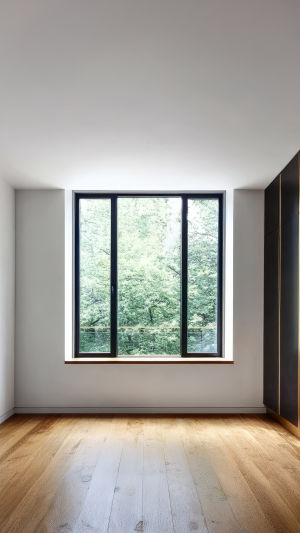
- Large windows, like the one in the image, allow maximum airflow and light, improving both air quality and comfort.
Maintaining proper ventilation through open windows is a simple yet powerful way to improve indoor air quality, reduce health risks, and enhance comfort. Keeping air moving ensures your home is not just warm and cozy, but also healthy.


