

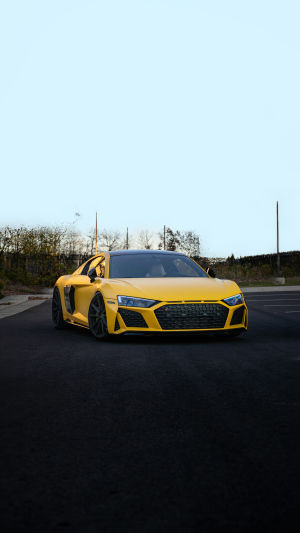
Many new drivers feel that moving a car on the road is manageable, but placing it neatly into a small space often feels challenging.
Tight corners, nearby vehicles, and unclear angles can quickly create tension. The good news is that we can make this process much easier by following a clear, calm approach.
Instead of memorizing complex patterns, we focus on simple observation, slow control, and steady adjustments. Once we understand the rhythm, both side placement and reverse entry become much more natural and predictable.
<h3>Core Driving Habits That Help Every Situation</h3>
Before practicing specific maneuvers, we should build a few stable habits that support every attempt.
- First, we keep the movement slow. Using idle motion with gentle brake control gives us time to react and adjust. Speed reduction is the foundation of accuracy.
- Second, we rely on mirrors more than direct forward or rear views. Side mirrors and the interior mirror help us understand distance, alignment, and surrounding boundaries. This habit reduces guessing.
- Third, we make small steering changes instead of turning sharply all at once. Gentle, repeated adjustments help maintain balance and reduce misalignment. With these three habits, we already eliminate many common mistakes.
<h3>Side Placement: A Simple Roadside Method</h3>
Side placement is often needed when stopping along a street or in a narrow row of spaces. We begin by selecting a space that is slightly longer than our vehicle, giving enough room for adjustment.
Next, we position our vehicle parallel to the one in front of the space, leaving a moderate side gap of about half an arm’s length. The front of our vehicle aligns roughly with the rear of the front vehicle. At this point, we shift into reverse mode and prepare to move backward slowly.
The first turning action happens when the rear corner of the front vehicle appears clearly in the right mirror. We then turn the steering fully toward that side and continue moving back at a steady pace.
After that, we watch the left mirror. When the rear boundary of the space becomes visible and the vehicle angle looks balanced, we straighten the wheel. This helps the body enter the space more smoothly.
Finally, we make small corrections. If one side feels tighter, we gently adjust toward the wider side until the vehicle sits evenly within the lines. Once aligned, we stop calmly and secure the vehicle.
<h3>Common Mistakes to Avoid in Side Placement</h3>
A frequent issue is starting too close or too far from the parked vehicle beside the space. Too little distance can limit turning ability, while too much distance makes alignment harder later.
Another mistake is turning too early or hesitating too long. Timing based on mirror observation is more reliable than guessing.
We also avoid forcing the final position. If the alignment is off, we can move forward slightly and try again instead of rushing the final stop.
<h3>Reverse Entry: A Structured Multi-Step Approach</h3>
Reverse entry into a marked space requires careful alignment. We begin by positioning the vehicle parallel to the entry line with a moderate side distance of about half an arm’s length.
Inside the cabin, we ensure the mirrors are adjusted so both the side of the vehicle and boundary lines are clearly visible.
The first movement starts when a reference point aligns in the mirror view, often near the rear side window area. At this moment, we turn the wheel fully toward the entry direction and continue moving slowly backward.
Next, we shift attention between both mirrors. When the far corner of the space becomes visible, we gently adjust the steering in the opposite direction to balance the body angle.
As alignment improves, we straighten the steering wheel and continue moving backward in a controlled line.
Finally, when the front and rear distances look safe and even, we stop smoothly and secure the position.
<h3>Reverse Entry on the Opposite Side</h3>
The same process applies when entering from the opposite direction. The only change is the steering direction. The reference points in the mirrors remain the same, but the turning direction is reversed. By practicing both sides, we build flexibility and confidence in different environments.
<h3>Helpful Practice Tips for Faster Progress</h3>
We can improve faster by practicing in open, low-traffic areas. Repetition helps us understand how the vehicle responds to steering input.
Using visual aids such as mirror markers or reference stickers can help during early practice, but over time we rely less on them and more on natural observation.
If a movement feels incorrect, we simply reset the position and try again. Small corrections are part of learning, not a setback.
<h3>Calm Control Leads to Smooth Results</h3>
Parking skills are not about complicated memory rules but about calm control, clear observation, and steady adjustments. When we slow down, trust the mirrors, and make gradual changes, even narrow spaces become manageable.
Lykkers, the more we practice, the more natural it becomes. Every attempt builds familiarity, and every correction improves precision. Keep practicing with patience, and soon these movements will feel like a smooth daily routine.


