

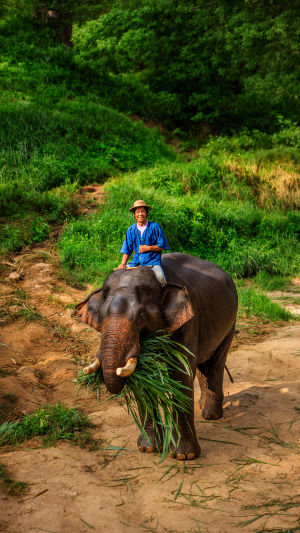
Elephants are among the most fascinating creatures on Earth. Beyond their impressive size and calm presence, they carry an extraordinary ability to hold onto memories for a very long time.
From landscapes they once crossed to companions they met years ago, their memories shape how they move through life and interact with the world around them.
Let’s step into their world and see how this memory helps them thrive in nature.
<h3>A Powerful Mind Behind a Giant Body</h3>
Elephants possess one of the largest brains among land animals. This powerful structure allows them to process information, learn from experience, and remember important details for years.
Inside the brain, certain regions play key roles in memory and navigation. These areas help elephants recognize landscapes, understand distances, and recall past experiences. Their brains are highly connected, which supports complex thinking and learning.
What makes this even more impressive is how they use memory in everyday life. From finding food sources to recognizing companions, memory is deeply woven into their survival.
<h3>Finding Water Across Long Distances</h3>
One of the most well-known abilities of elephants is their skill in locating water. In dry environments, water sources can be rare and far apart. Yet elephants can return to places they visited many years before.
Researchers have observed herds traveling long distances and stopping at locations where water once existed, even if the area looks completely different today. This ability helps them survive challenging seasons and guide younger members of the group safely.
We can imagine how important this skill is when the environment changes constantly. Memory becomes a map that guides their journey.
<h3>Strong Social Connections That Last for Years</h3>
Elephants live in close family groups led by experienced females. These groups depend heavily on cooperation and communication.
What is truly amazing is their ability to remember other elephants for many years. They can recognize individuals they have met before, even after long separations. This recognition is based on sound, smell, and past interactions.
Such memory strengthens their social bonds. It helps them rebuild friendships, avoid conflict, and maintain harmony within their groups. In a way, their memory acts like a bridge connecting past and present relationships.
<h3>Emotional Responses and Deep Recall</h3>
Elephants also show behaviors that suggest strong emotional recall. When encountering remains of a deceased companion, they may pause, stay quietly nearby, and gently touch the area with their trunk.
These actions suggest that they remember not only the individual but also shared experiences. Scientists believe this reflects a deep emotional layer connected to memory.
This sensitivity adds another dimension to how we understand them. Their memories are not just practical tools but also part of their emotional world.
<h3>How Learning Shapes Their Memory</h3>
Elephants do not rely only on instinct. They learn by observing others in their group. Younger elephants often follow older members, watching how they find food, move through landscapes, and respond to challenges.
This learning process strengthens memory over time. Repeated experiences help them refine decisions and improve survival skills. In this way, memory and learning work together like a well-structured system.
<h3>Why This Memory Matters in the Wild</h3>
Strong memory plays a key role in survival. It helps elephants:
- Locate seasonal resources
- Navigate long migration paths
- Recognize safe environments
- Maintain social stability
Without this ability, life in changing environments would be far more difficult. Their memory acts like a living archive, storing knowledge collected across generations.
<h3>Final Thoughts: A Living Library of Nature</h3>
Dear Lykkers, elephants show us that memory is more than just recall—it is connection, survival, and understanding. Their ability to remember places, companions, and experiences makes them one of the most intelligent animals on land.
By learning more about them, we also learn the importance of respecting and protecting their natural world. Every elephant carries a living history within its mind, and that history is worth preserving.
So next time we think about memory, we might remember the elephants—and the quiet wisdom they carry across landscapes and time.


