

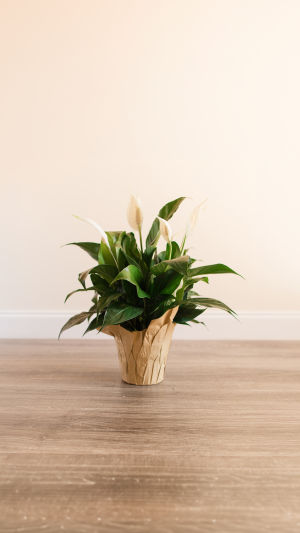
Indoor tropical plants bring natural beauty, vibrant greenery, and elegant blooms into the home. A well-maintained tropical flowering plant can serve as a striking decorative feature while helping create a calm and welcoming atmosphere.
Although tropical plants originate from warm and humid environments, many adapt successfully to indoor conditions when given proper care. Understanding their basic requirements is the key to long-term success.
<h3>Why Tropical Flowering Plants Are Popular</h3>
Tropical flowering plants are valued for their combination of lush foliage and attractive blooms. Their glossy leaves provide year-round visual appeal, while their flowers add brightness and sophistication to indoor spaces.
These plants are often used as decorative accents in living rooms, bedrooms, offices, and entryways because they complement a wide range of interior styles. Their compact growth habit also makes them suitable for containers and tabletops.
<h3>Light and Placement</h3>
Most indoor tropical flowering plants perform best in bright, indirect light. A location near a window that receives filtered sunlight is often ideal. While sufficient light encourages healthy growth and flowering, prolonged exposure to intense direct sunlight may damage leaves and flowers.
When selecting a location, choose an area with stable temperatures and protection from strong drafts.
<h3>Temperature and Humidity</h3>
Tropical plants generally thrive in warm environments. Temperatures between 18–29°C (65–85°F) are suitable for most indoor varieties.
Humidity is also important. Many tropical plants prefer moderate to high humidity levels, which help maintain healthy foliage and support flower production. Grouping plants together or using a humidifier can help create a more favorable environment.
<h3>Watering and Feeding</h3>
Consistent watering is essential for healthy growth. Allow the upper layer of soil to become slightly dry before watering again. The soil should remain evenly moist but not saturated.
Containers should provide adequate drainage to prevent excess moisture from accumulating around the roots.
During active growth periods, a balanced indoor plant fertilizer can help support healthy foliage and flowering when used according to the product instructions.
<h3>Pruning and Maintenance</h3>
Regular maintenance helps keep tropical plants attractive and vigorous. Remove faded flowers and damaged leaves as needed to encourage continued healthy growth.
Dusting leaves occasionally can improve their appearance and allow them to receive light more effectively.
Repotting every one to two years, or when the plant outgrows its container, provides additional space for root development and supports long-term health.
Indoor tropical flowering plants combine beauty, elegance, and relatively simple care requirements. By providing appropriate light, consistent moisture, adequate humidity, and routine maintenance, gardeners can enjoy healthy foliage and attractive blooms throughout the year. With proper care, a single tropical plant can become a lasting focal point that enhances the comfort and appearance of any indoor space.


