

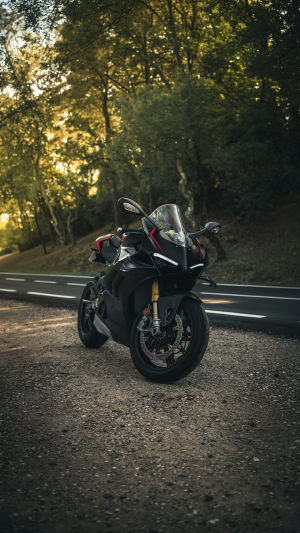
Riding a motorcycle is all about freedom, but did you know that you can make your ride more eco-friendly while saving money?
Improving fuel efficiency and reducing emissions are two great reasons to consider modifying your bike.
With a few upgrades and adjustments, you can help the environment and your wallet—without losing the thrill of the ride.
<h3>Upgrade the Exhaust System</h3>
One of the easiest and most effective ways to boost your motorcycle's fuel efficiency is by upgrading the exhaust system. A stock exhaust can be restrictive, limiting the airflow and reducing engine performance. By installing a high-performance exhaust, you allow for better gas flow, which can increase engine efficiency.
Performance Mufflers: A performance muffler can reduce exhaust backpressure, which helps the engine to expel gases more efficiently. This results in better fuel consumption and reduced emissions.
Full Exhaust System Replacement: Replacing the entire exhaust system with a high-flow model can improve power output and fuel efficiency by allowing for better airflow and combustion. Popular brands like Akrapovic or Yoshimura offer systems that can help your bike breathe better.
Eco-friendly Catalytic Converters: Some aftermarket exhaust systems include a built-in catalytic converter, which can help reduce harmful emissions from the engine. These converters break down pollutants like carbon monoxide and hydrocarbons into less harmful substances.
By making this change, you'll not only increase fuel efficiency but also reduce the amount of harmful gases emitted from your bike.
<h3>Optimize the Air Intake</h3>
Just like the exhaust, the air intake plays a key role in how efficiently your engine burns fuel. A well-designed air intake allows more air to flow into the engine, ensuring a better fuel-to-air ratio for combustion.
High-Flow Air Filters: Replacing the stock air filter with a high-performance one can improve airflow into the engine. Brands like K&N offer washable, reusable filters that are designed to boost air intake, helping your engine run more smoothly and efficiently.
Cold Air Intakes: A cold air intake system draws in cooler air from outside the engine compartment, which is denser and has more oxygen. This results in a more efficient combustion process, which can lead to improved fuel efficiency.
Proper Maintenance: Regularly cleaning or replacing the air filter is crucial for maintaining fuel efficiency. A clogged filter restricts airflow, which can lead to poor engine performance and higher fuel consumption.
These simple modifications can make a noticeable difference in how well your motorcycle performs and how much fuel it uses.
<h3>Tune-Up for Maximum Efficiency</h3>
A well-maintained engine is key to maximizing fuel efficiency. Even small issues, like spark plugs that are too old or an improperly tuned carburetor, can lead to decreased fuel economy and higher emissions. Regular tune-ups ensure that your bike runs smoothly and efficiently, keeping it at its peak performance.
Carburetor Adjustments: For older bikes with carburetors, making adjustments to the air-fuel mixture can optimize fuel consumption. If the mixture is too rich (too much fuel), it can cause higher emissions and wasted fuel. On the other hand, too lean (too little fuel) can cause the engine to run rough.
Spark Plug Replacement: Old or worn-out spark plugs can cause incomplete combustion, which leads to higher fuel consumption and more emissions. Replacing spark plugs regularly ensures that the engine burns fuel more efficiently.
Valve Maintenance: Valves play a crucial role in how air and fuel enter and exit the engine. Over time, they can become misaligned or worn, affecting engine performance and fuel efficiency. Regular valve checks and adjustments can help maintain optimal fuel efficiency.
A tune-up not only improves fuel economy but also extends the lifespan of your motorcycle.
<h3>Upgrade to Lighter Wheels</h3>
Another modification that can improve both performance and fuel efficiency is upgrading to lighter wheels. Heavier wheels require more energy to turn, which can decrease fuel economy, especially at higher speeds.
Alloy Wheels: Alloy wheels are lighter than stock steel wheels, reducing the overall weight of the bike. This means the engine doesn't have to work as hard to maintain speed, which improves fuel efficiency.
Lighter Rotors: Upgrading to lighter brake rotors can also reduce rotational mass, improving the bike's handling and reducing the energy required to accelerate.
Tire Selection: The right tires can also impact fuel efficiency. Opting for tires with low rolling resistance, such as those designed for touring or cruising, can help reduce fuel consumption over long distances.
These changes may seem small, but they can have a significant impact on your bike's fuel efficiency and overall performance.
<h3>Proper Riding Habits</h3>
While modifications are essential, your riding habits also play a major role in how efficiently your bike runs. By adopting a few eco-friendly riding techniques, you can maximize the effectiveness of your modifications.
Smooth Acceleration and Braking: Avoid sudden acceleration or hard braking, as this can waste fuel. Smooth and gradual acceleration helps maintain better fuel efficiency.
Ride in the Right Gear: Riding in the appropriate gear for your speed helps the engine run more efficiently. Shifting too early or too late can waste fuel and strain the engine.
Maintain a Steady Speed: On long rides, try to maintain a steady speed instead of constantly accelerating and braking. This not only saves fuel but also reduces emissions by ensuring that the engine operates at optimal efficiency.
These simple habits, when combined with the right modifications, can make your motorcycle more fuel-efficient and environmentally friendly.
Improving fuel efficiency and reducing emissions in motorcycles doesn't require a complete overhaul—simple modifications and good riding habits can make a huge difference. From upgrading the exhaust system and air intake to maintaining your bike and adopting eco-friendly riding techniques, there are many ways to make your bike more fuel-efficient and reduce its environmental impact.
By making these changes, you can enjoy the open road while doing your part to protect the planet.


