
Hello, Lykkers!
The question isn't whether smart home technology is useful anymore, but whether it's about to become completely unavoidable.
Recent research from Redrow found that 62% of homeowners expect smart home tech to be a must-have by 2030, and that shift matters more than most people realize. Right now, you can still decide whether you want your lights connected to an app or your thermostat talking to your phone. But we're still very much at a stage where homeowners can choose whether they want to embrace connected living or not, and that window may not stay open forever.
<h3>What Homeowners Actually Want</h3>
Nearly a quarter (23%) of respondents said smart technology will be essential specifically in new-build homes, while another 19% believe core systems such as smart heating controls and energy management will eventually become standard across all properties. This isn't about gadgets for their own benefit. People are being selective now.
Homeowners are looking for technology that actively makes life easier, safer and more energy efficient, with energy-monitoring devices leading the charge. That's a telling detail. When tech solves real problems like rising energy costs or home safety, adoption stops being optional.
<h3>How Standards Are Changing Everything</h3>
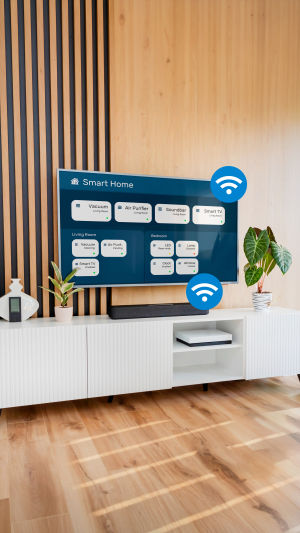
The most interesting thing about smart homes in 2026 is how little they look like technology showcases. There are fewer visible devices and more embedded systems. Intelligence now lives in standards, networks and software layers that sit quietly behind the walls. The shift from flashy gadgets to invisible infrastructure is what's enabling the move toward universal adoption.
Smart thermostats, connected light switches, and wireless cable boxes have become standard in new construction, and security systems must now intercommunicate with every other digital device in the home. When builders start treating smart features the same way they treat plumbing, you know the industry has turned a corner.
<h3>Is This Good or Inevitable?</h3>
Technologies that once required significant capital investment and technical expertise are now deployable in homes across virtually every price tier. Builders who integrate smart security, home automation, and smart access control into their standard offerings are responding to real buyer demand. Accessibility is driving this momentum faster than anyone predicted.
But the question is no longer whether to incorporate these technologies. It's how quickly they can make them a seamless part of every home they deliver. That shift in framing is important. The conversation has moved from "should we?" to "how soon?"
The truth is, smart homes aren't just becoming more common. They're starting to define what normal looks like. Whether that's exciting or unsettling depends on your relationship with technology, but either way, the trend lines are clear. The homes being built today are already assuming this future, and the ones being sold tomorrow will reflect it even more. If you're still on the fence, now's the time to understand what's coming and decide where you stand, because staying neutral might not be an option for much longer.


