

Hello, Lykkers! Barcelona is a city where history, art, and architecture come together in a vibrant Mediterranean setting. From Roman foundations to medieval streets and modernist masterpieces, every district reveals a different chapter of its past.
Walking here feels like exploring an open-air museum filled with culture, color, and timeless design, where old stones and bold creativity exist side by side. Here are 6 historic places you must visit in Barcelona.
<h3>1. Sagrada Família</h3>
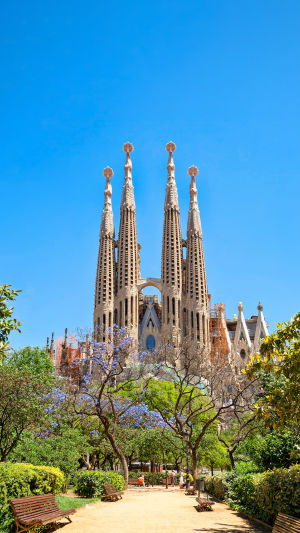
The Sagrada Família is Barcelona’s most famous landmark, designed by Antoni Gaudí. Construction began in 1882 and is still ongoing, making it one of the most extraordinary architectural projects in the world.
Its towering spires rise dramatically above the city, while the façades are covered in detailed carvings that tell symbolic stories. Inside, sunlight passes through stained glass windows, creating shifting colours that change throughout the day.
<b>Estimated Cost:</b> $25–$40 USD (cost may vary)
<h3>2. Gothic Quarter (Barri Gòtic)</h3>
The Gothic Quarter is the oldest part of Barcelona and the historical heart of the city. Its narrow winding streets, hidden courtyards, and stone buildings date back to medieval times, with even older Roman traces still visible in some areas.
Every corner feels like a discovery, from quiet squares to small cafés tucked between ancient walls.
<b>Estimated Cost:</b> Free to explore
<h3>3. Barcelona Cathedral</h3>
The Barcelona Cathedral is a magnificent example of Gothic architecture built between the 13th and 15th centuries. Its detailed stone façade, tall spires, and peaceful cloister create a striking sense of history.
Inside the courtyard, thirteen white geese are kept as a symbolic tradition connected to the cathedral’s heritage. The rooftop offers panoramic views over the Gothic Quarter.
<b>Estimated Cost:</b> $10–$15 USD (cost may vary)
Cathedral of Barcelona
<h3>4. Park Güell</h3>
Park Güell, designed by Antoni Gaudí, is a colorful hillside park filled with mosaic sculptures, curved architecture, and imaginative structures inspired by nature.
Originally intended as a residential project, it is now one of Barcelona’s most famous public spaces and a UNESCO World Heritage Site. From its terraces, you can see sweeping views of the city and the Mediterranean Sea.
<b>Estimated Cost:</b> $10–$20 USD (cost may vary)
<h3>5. Palau de la Música Catalana</h3>
The Palau de la Música Catalana is a breathtaking concert hall built in the Catalan modernist style. Its richly decorated interior includes stained glass, mosaics, and sculptural details that make it one of the most artistic buildings in Europe.
Even if you are not attending a performance, guided tours reveal its extraordinary craftsmanship and cultural importance.
<b>Estimated Cost:</b> $18–$25 USD (cost may vary)
Palau de la Música Catalana
<h3>6. Roman Walls of Barcelona</h3>
The Roman Walls are some of the oldest remaining structures in the city, dating back to the 3rd century when Barcelona was known as Barcino.
These ancient stone remains are scattered throughout the Gothic Quarter and offer a direct link to the city’s Roman origins. Standing beside them gives a real sense of Barcelona’s deep historical roots.
<b>Estimated Cost:</b> Free
<h3>Final Thoughts</h3>
Barcelona is a city where history is not just preserved—it is lived every day. From Roman ruins and medieval streets to Gaudí’s visionary architecture, every landmark adds another layer to its fascinating identity.
So, Lykkers, take your time exploring Barcelona. Walk slowly, look closely, and you’ll find centuries of history hidden in every street, wall, and square.


