

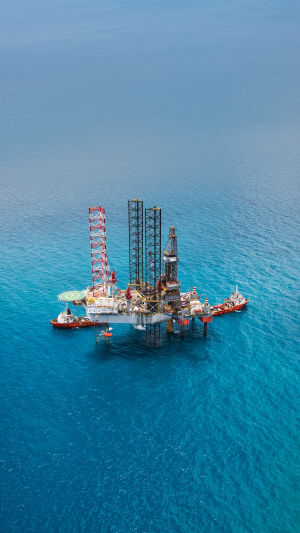
Hi, Readers! When people think about oil pollution, dramatic tanker accidents often come to mind. However, many of the most significant environmental impacts occur far from shore, where offshore oil platforms operate around the clock beyond public view.
Today, advanced satellite technology is helping scientists monitor these remote areas with greater accuracy than ever before. The images reveal recurring oil slicks, widespread gas flaring, and substantial greenhouse gas emissions linked to offshore energy production.
As offshore drilling expands to satisfy global energy demand, scientists and environmental organizations are gaining a clearer understanding of its effects on marine ecosystems and the climate. These findings highlight the importance of improved monitoring, stronger regulations, and greater transparency across the world's oceans.
<h3>Offshore Oil Production Is Expanding Rapidly</h3>
Offshore oil fields have become an increasingly important source of global petroleum production. Many newly developed reserves are located hundreds of miles from the coastline, where enormous platforms and floating production vessels extract, process, and store crude oil.
These remote facilities operate continuously under demanding conditions. While technological advances have improved efficiency, they have also increased the number of industrial operations occurring in sensitive marine environments.
Because offshore installations are often located far from population centers, routine environmental impacts may go unnoticed without satellite observation or specialized monitoring systems.
<h3>Satellite Technology Reveals Persistent Oil Pollution</h3>
Recent advances in Earth-observation satellites allow researchers to detect oil slicks across vast ocean regions with remarkable precision. Unlike catastrophic spills that receive worldwide attention, many offshore facilities release small amounts of oil repeatedly over long periods.
Individually, these discharges may appear minor, but together they can create extensive areas of surface pollution that affect marine habitats. Oil floating on the ocean reduces oxygen exchange between the atmosphere and seawater while coating seabirds, marine mammals, and fish.
Even thin surface films may interfere with feeding, breeding, and migration patterns in sensitive ecosystems. Satellite monitoring also provides evidence that repeated releases can occur around the same offshore facilities, allowing scientists and regulators to identify locations requiring closer inspection.
<h3>Floating Production Vessels Present Unique Challenges</h3>
An increasing share of offshore oil comes from Floating Production, Storage, and Offloading vessels, commonly known as FPSOs. Unlike fixed drilling platforms anchored permanently to the seabed, FPSOs are converted ships capable of processing oil while storing large volumes before transferring it to tankers.
Their mobility offers operational flexibility, particularly in deep-water fields where constructing permanent infrastructure is difficult. However, their offshore locations also make inspections more challenging and emergency response more complicated if leaks occur.
Many FPSOs operate for years under harsh marine conditions, requiring continuous maintenance to reduce the risk of equipment failure and accidental pollution.
<h3>Gas Flaring Adds to Climate Change</h3>
Beyond oil pollution, offshore platforms also burn surplus natural gas through flaring when transport or storage isn’t viable. Those signature flames release huge amounts of energy—but they also waste fuel and pump significant carbon dioxide into the atmosphere.
Incomplete combustion may also release methane, a greenhouse gas far more effective at trapping heat than carbon dioxide over shorter time periods. Reducing routine flaring has become a priority for many governments because it offers one of the fastest ways to lower emissions from the energy sector.
<h3>Marine Traffic Increases the Environmental Footprint</h3>
Offshore oil production depends on far more than drilling platforms alone. Supply ships deliver equipment, food, fuel, and replacement parts. Tankers transport crude oil to refineries, while specialized vessels support maintenance and emergency operations.
This constant marine traffic consumes large quantities of fuel, adding millions of tons of carbon dioxide emissions each year. Increased shipping activity also raises underwater noise levels, which can disrupt communication and navigation for whales, dolphins, and other marine mammals that rely on sound.
Busy shipping routes further increase the possibility of collisions, fuel leaks, and accidental introduction of invasive species through ballast water discharge.
<h3>Why Transparency Matters</h3>
For decades, much offshore industrial activity remained difficult to observe because of its remote location. Today, satellites, artificial intelligence, and advanced image analysis are changing that situation dramatically. Researchers can now identify offshore infrastructure, monitor vessel movements, detect oil slicks, and estimate emissions with far greater accuracy than ever before.
Open environmental data helps governments strengthen oversight while giving scientists, conservation organizations, and coastal communities access to information that was previously unavailable. Greater transparency encourages responsible industry practices by making environmental performance easier to evaluate over time.
<h3>Protecting Oceans While Meeting Energy Needs</h3>
The world's oceans support fisheries, regulate climate, and provide habitat for countless species. Balancing energy production with environmental protection requires continued technological innovation, stronger international cooperation, and effective environmental monitoring.
Many companies are investing in improved leak detection systems, lower-emission technologies, methane capture equipment, and stricter maintenance programs. These efforts can reduce environmental impacts while supporting safer offshore operations.
As cleaner energy sources continue to expand, reducing pollution from existing offshore infrastructure remains an important part of protecting marine ecosystems for future generations.
<h3>Conclusion</h3>
Offshore oil production has helped supply global energy for decades, but its environmental footprint extends well beyond what can be seen from the shoreline. Satellite observations now reveal recurring oil slicks, greenhouse gas emissions, gas flaring, and heavy marine traffic that together place increasing pressure on ocean ecosystems.


