

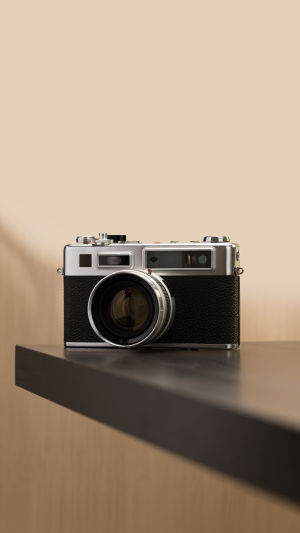
Photography often captures a single instant, but slow shutter photography reveals the beauty of movement over time.
By extending the exposure, this technique transforms flowing motion, shifting light, and natural changes into artistic patterns and atmospheric images.
It allows photographers to create photographs that feel dynamic and expressive, capturing not only the appearance of a scene but also the rhythm and emotion behind its movement.
<h3>What Slow Shutter Does</h3>
The main principle behind slow shutter photography is controlling exposure time. A fast shutter captures a brief instant, while a slow shutter records changes that occur during the exposure. When the camera is steady, moving subjects create intentional blur effects. When the camera moves as well, photographers can produce different artistic results.
This technique gives photographers control over how movement appears in an image. A flowing river, a busy street, or a changing sky can take on a completely different visual quality when captured with a longer exposure.
<h3>Common Visual Effects</h3>
One of the most recognizable effects is the creation of light trails at night. Moving headlights and other sources of light can become smooth lines that add direction and energy to a composition.
Long exposures are also widely used in landscape photography. Moving water can transform into soft, mist-like surfaces, while waves and streams can lose their sharp texture and appear more fluid. In places with movement, passing figures can create subtle traces that add atmosphere and a sense of activity.
These results are carefully created choices that help photographers communicate mood, motion, and visual storytelling.
<h3>How to Make It Work</h3>
Because the shutter remains open longer, keeping the camera stable is important. A tripod is commonly used to prevent camera shake and maintain sharpness in stationary areas of the image.
Lighting conditions also play an important role. In bright environments, photographers may reduce the amount of light entering the camera by adjusting the aperture, lowering the ISO setting, or using a neutral density filter.
The ideal exposure time depends on the subject and the desired effect. A shorter long exposure may create gentle movement, while a longer exposure can produce smoother and more dramatic results. The creative choice depends on the balance between light, subject speed, and artistic intention.
<h3>Why It Feels So Expressive</h3>
The beauty of slow shutter photography comes from its ability to capture more than a single instant. Instead of presenting a frozen scene, it combines movement and stillness to create a deeper visual impression.
Simple subjects can become surprisingly powerful through this approach. A quiet shoreline, an open road, or a changing sky can reveal new qualities when photographed with patience and careful timing. The technique allows photographers to transform ordinary scenes into images filled with mood and character.
<h3>Developing a Unique Visual Style</h3>
Slow shutter photography encourages photographers to experiment with how movement is represented. By exploring different exposure times, compositions, and lighting conditions, they can create images that reflect their own creative vision.
When used thoughtfully, this technique turns passing moments into lasting impressions, showing that photography can capture not only what a scene looks like, but also how it feels.


