

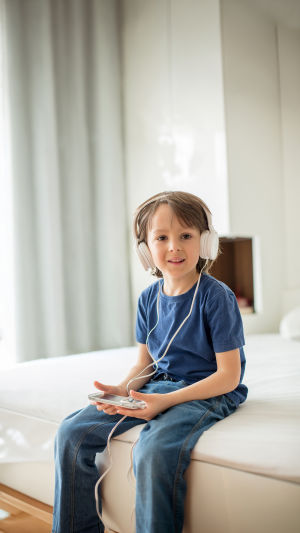
Hi, Readers! Music can slip into a child's day so naturally that it feels less like a lesson and more like part of home life.
That is exactly why early interest often grows best through small, repeated experiences. Children do not need formal training to start enjoying rhythm, melody, and sound.
What helps most is a warm setting where music is heard, shared, and connected with everyday moments. A practical first step is simply letting children hear many kinds of music.
When different styles play at home, in the car, or during playtime, children begin noticing changes in tempo, mood, and sound. Some pieces may feel lively and playful, while others feel calm and reflective.
That variety matters because it helps children discover what they naturally respond to. Singing with children also makes a real difference. A familiar tune at bedtime, during cleanup, or on a walk can turn music into something personal rather than distant.
<h3>Make music part of routines</h3>
One of the easiest ways to build interest is to weave music into regular routines. Songs can accompany getting dressed, putting toys away, or settling down in the evening. Repetition helps children join in, and joining in builds confidence.
Even very simple actions such as clapping to a beat, tapping a table, or moving in time with a song teach children to feel rhythm in a direct way. These moments are easy to create and do not require special equipment or long practice sessions.
<h3>Let children participate actively</h3>
Children usually connect more deeply with music when they can do something with it. Singing along, dancing around the room, or trying basic instruments gives them an active role. The goal is not perfection. It is curiosity, enjoyment, and self-expression.
When adults show enthusiasm and participate too, children often become more willing to explore. Homemade sound makers or beginner instruments can be enough to get started. What matters is the chance to experiment with pitch, rhythm, and volume in a relaxed environment.
<h3>Follow the child's interests</h3>
Not every child responds to the same kind of music activity, so paying attention to individual preferences is important. Some children enjoy singing. Others like movement, rhythm games, or listening quietly. When adults notice these preferences and build on them, music feels rewarding rather than forced.
A child who loves stories may enjoy songs with clear narratives. A child who likes movement may respond best to action songs and dance-based play. Interest tends to deepen when the experience fits the child's natural style.
<h3>Use community resources</h3>
Families can also look beyond the home for more musical experiences. Schools, libraries, and community centers often provide music-related programs for children. Concerts designed for families can be another useful introduction because they let children see and hear music in a shared setting.
These experiences show that music is not only something practiced alone, but also something enjoyed with others. If lessons are considered later, it helps to choose an approach that matches the child's readiness and keeps enjoyment at the center.
<h3>Keep encouragement positive</h3>
Children are more likely to stay interested when encouragement feels supportive rather than pressuring. Praise for participation, listening, and effort can be more helpful than focusing only on skill. If a child seems hesitant, it may help to step back and return to simple listening or playful singing.
Interest often develops gradually. A relaxed atmosphere gives children room to explore without worrying about doing things the "right" way. That sense of safety is often what keeps music meaningful.
Music interest grows through exposure, participation, and encouragement.
A child who hears music often, joins in freely, and feels supported is more likely to develop a lasting connection with it. Try keeping music close to daily life, notice what your child enjoys most, and let that guide the next step. Sometimes the smallest shared song becomes the beginning of something wonderful.


