

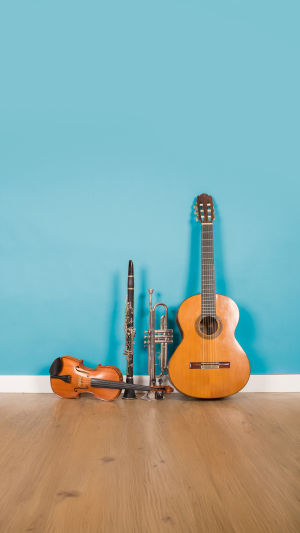
Musical instruments are carefully designed systems where science and creativity meet. Every sound begins with vibration, and the way that vibration is created, controlled, and amplified determines the instrument’s unique voice.
Although different instruments may play the same note, they can produce completely different sounds.
Their materials, structures, and playing methods shape qualities such as brightness, warmth, depth, and clarity. These elements work together to create the distinct character of each instrument.
<h3>Strings and Resonance</h3>
String instruments produce sound when stretched strings vibrate after being plucked, bowed, or struck. The pitch depends mainly on the string’s length, tension, and thickness, while the instrument body enhances the vibration and shapes the final tone.
The resonating structure adds richness and volume by transferring energy from the strings into the surrounding air. Larger bodies often support deeper and fuller sounds, while smaller designs may create brighter and more focused tones. Features such as bridge placement, internal space, and body shape also influence the instrument’s tonal quality.
Playing technique further affects expression. Plucking creates a clear and immediate sound, while bowing allows a smoother and more sustained tone.
<h3>Wind Instruments and Air Movement</h3>
Wind instruments create sound through vibrating air inside carefully shaped pathways. The length and structure of the air column determine pitch, while openings, keys, and playing techniques allow musicians to control different notes.
Some instruments produce sound by directing air across an opening, while others use reeds to generate vibration. The internal design affects tone color, response, and projection, which is why instruments from the same family can still have very different sounds.
<h3>Percussion and Material Vibration</h3>
Percussion instruments create sound when surfaces or solid materials vibrate after being struck, shaken, or scraped. Their construction determines the strength, duration, and texture of each sound.
The size, tension, and material of the vibrating surface all influence the result. Tightly stretched surfaces often create sharper tones, while larger vibrating areas can produce deeper resonance. Different materials respond in unique ways, creating a wide variety of sound qualities.
<h3>Keyboard and Hybrid Systems</h3>
Some instruments combine different sound-producing methods within one design. Keyboard instruments may use strings, air systems, or electronic technology while providing players with a structured way to control pitch.
Their internal mechanisms influence sensitivity, control, and musical expression. In acoustic designs, the interaction between the playing mechanism and resonating structure determines the instrument’s clarity, responsiveness, and overall tone.
<h3>Materials and Acoustic Design</h3>
Material selection plays a major role in shaping an instrument’s sound. Different materials influence how vibrations travel, how sound is projected, and how tones develop.
The shape and construction of an instrument are equally important. Designers carefully adjust dimensions, internal spaces, and structural features to achieve balanced sound and consistent performance. Instrument design is therefore not only about appearance but also about creating an effective system for controlling vibration.
The voice of a musical instrument is created through a precise combination of vibration, structure, materials, and technique. Each design choice contributes to the way an instrument sounds and responds.
By understanding the connection between design and sound, we can better appreciate the balance of engineering and creativity behind every musical instrument. A single note represents not only a musical idea but also the careful design that brings it to life.


