

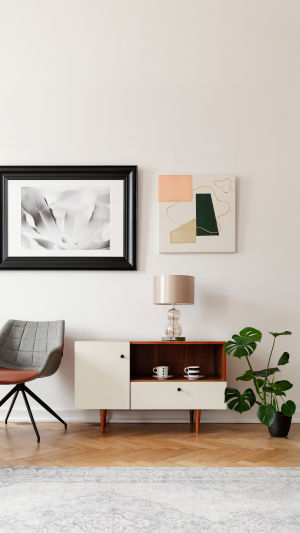
Hi, Readers! Walking into a room that feels calm, balanced, and beautifully pulled together is such a comforting thing.
If you are just getting started with interior styling, it can feel a little overwhelming to figure out how furniture, fabric, and decorative pieces should work together. The good news is that a unified style does not come from buying everything in one set.
It comes from making thoughtful choices that repeat certain colors, shapes, textures, and moods throughout the room. When those details connect, the whole space starts to feel natural and complete.
<h3>Start With One Clear Direction</h3>
A room feels more unified when it has a clear design direction. That does not mean everything has to match exactly. It means the space should share a common feeling. You might prefer something clean and simple, soft and cozy, classic and elegant, or relaxed and natural. Once you decide on that overall mood, it becomes much easier to choose furniture, textiles, and decorative accents that belong together. A helpful way to begin is by picking one anchor piece, such as a sofa, rug, or curtain fabric, and letting its color palette or character guide the rest of the room.
<h3>Use Color To Connect The Room</h3>
Color is one of the easiest ways to create harmony. If your furniture pieces are different in shape or material, a shared palette can tie them together beautifully. Try choosing one main color, one secondary color, and one or two accent tones. Repeat those shades in different places, such as cushions, curtains, artwork, lampshades, or small tabletop items. This kind of repetition makes the room feel intentional instead of scattered. If you want a softer look, stay within similar tones. If you want more energy, add contrast in small touches without letting it take over.
<h3>Balance Shapes And Lines</h3>
Furniture and decorative pieces speak through their lines. Some rooms are filled with straight edges and crisp silhouettes, while others feel softer because of curved forms and rounded details. A unified room usually balances these shapes so nothing feels too harsh or too loose. For example, if your sofa and storage pieces have strong straight lines, adding a round mirror, curved lamp, or soft-textured cushions can make the space feel more welcoming. If the room already has many rounded shapes, a more structured table or shelf can add steadiness.
<h3>Layer Textiles With Intention</h3>
Textiles bring warmth and personality into a room, but they need some connection to feel cohesive. Curtains, cushions, rugs, bedding, and throws do not need to be identical, yet they should relate to each other in some way. That connection might come from color, pattern scale, or fabric texture. If you use a patterned curtain, for example, pair it with cushions that pick up one of its colors. If your sofa fabric is plain, a rug with subtle texture can keep the room from feeling flat. Mixing linen-like, knitted, woven, or smooth materials can add depth while still staying within the same overall mood.
<h3>Decorative Pieces Should Echo The Style</h3>
Decorative accents are often where a room either comes together or starts to feel cluttered. Vases, lamps, frames, trays, and wall art should support the same story as the larger furniture pieces. If the room leans minimal and relaxed, choose accessories with simple shapes and a restrained palette. If the room feels more classic, look for pieces with refined details and richer texture. It helps to group items in small collections instead of spreading too many little things around the room. Repeating finishes, such as similar wood tones, matte surfaces, or soft metallic touches, can also make everything feel more connected.
<h3>Mix Styles Carefully</h3>
Combining different looks can make a room feel personal and lived-in, but it works best when there is a thread holding everything together. That thread could be color, material, shape, or overall mood. A modern chair can sit comfortably beside a more traditional table if both share similar tones or proportions. This is why contrast can be beautiful when it is controlled. Rather than mixing many unrelated pieces at once, start with a dominant style and add one or two contrasting elements that still feel connected to the main atmosphere of the room.
<h3>Keep Editing As You Go</h3>
One of the most useful styling habits is stepping back and editing. When a room feels off, the issue is often not that something is missing, but that something does not belong. Try removing one decorative item, changing a cushion cover, or shifting a lamp to another area. Small adjustments can have a big effect. Paying attention to spacing matters too. A room needs breathing room so each piece can be seen and appreciated. When furniture, fabric, and decor all support the same feeling, the whole space becomes easier to enjoy.
Creating a unified interior style is really about connection, not perfection. Choose a clear mood, repeat colors and textures thoughtfully, and let each item support the same overall story. If you take it step by step, your home will start to feel more harmonious, comfortable, and truly your own.


