

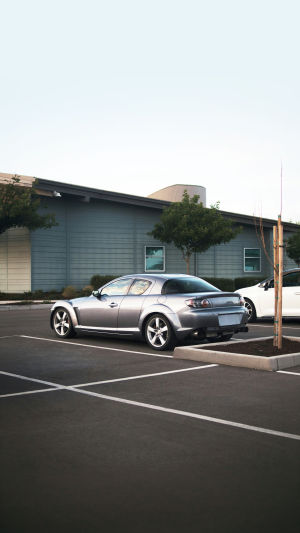
Leaving a car unused for weeks or months requires more than simply parking it.
Battery charge can decline, tires can lose pressure, fuel can deteriorate, and exposure to moisture or weather can affect the vehicle.
A thoughtful storage routine protects important components and makes the eventual return to regular driving easier.
<h3>Prepare the Battery</h3>
A parked vehicle can continue using a small amount of electrical power even when the engine is off. Over an extended period, this can reduce the battery's charge enough to prevent the vehicle from starting.
For long-term storage, a suitable battery maintainer can keep the battery at an appropriate charge level. If the vehicle will be driven during storage, it should be taken on a proper drive rather than started only for a few minutes. Short periods of idling may not provide enough charging time.
Before using the vehicle again, check the battery's condition and inspect the terminals for visible corrosion.
<h3>Protect the Fuel</h3>
Fuel quality can decline during prolonged storage. The risk depends on factors such as the type of fuel, storage conditions, and length of inactivity.
For extended storage, keeping the tank relatively full can reduce the amount of air space inside it. A suitable fuel stabilizer may also help preserve fuel quality when used according to its instructions.
For particularly long storage periods, follow the vehicle manufacturer's recommendations for the specific fuel system.
<h3>Maintain the Tires</h3>
Tires gradually lose pressure over time, even when the vehicle is stationary. Remaining in the same position for a long period can also contribute to flat spotting.
Check the pressure before storage and adjust it to the vehicle manufacturer's recommended level. During prolonged inactivity, inspect the tires periodically and look for visible damage, cracking, or significant pressure loss.
If conditions allow, moving the vehicle occasionally can change the contact area between the tires and the ground. Only do this when the location is secure and the vehicle is safe to operate.
<h3>Check Fluids and Maintenance</h3>
Extended parking does not stop scheduled maintenance from becoming due. Before storage, check the engine oil, coolant, brake fluid, and windshield washer fluid. Other service items should be addressed according to the vehicle's maintenance schedule.
If an oil change or other routine service is due, completing it before storage can simplify the vehicle's return to regular use.
Before driving again, check the fluid levels and inspect beneath the vehicle for fresh leaks.
<h3>Choose a Suitable Storage Location</h3>
A clean, dry, sheltered location provides the best protection from weather and environmental exposure. Indoor storage can reduce contact with sunlight, rain, temperature changes, falling debris, and other outdoor elements.
When indoor parking is unavailable, choose a secure, level area. Avoid locations beneath trees where sap, leaves, branches, and moisture can accumulate.
For outdoor storage, a properly fitted, breathable vehicle cover can provide additional protection. It should be designed for automotive use and should not trap excessive moisture against the vehicle's surface.
<h3>Clean the Vehicle</h3>
Cleaning the vehicle before storage helps protect its interior and exterior. Wash the exterior, remove dirt and debris, and clean the cabin thoroughly.
Remove food and other materials that could attract animals. It is also sensible to inspect accessible areas for signs of animal activity before putting the vehicle back into service.
Keeping the vehicle clean also makes it easier to identify new leaks, damage, or other changes when it is inspected later.
<h3>Manage the Parking Brake</h3>
For extended storage on a level surface, leaving the parking brake released can reduce the possibility of the mechanism sticking after prolonged inactivity.
If the parking brake is released, the vehicle must be secured against movement. Suitable wheel chocks can be used when appropriate.
Vehicle stability should always take priority, particularly on any surface that is not completely level.
<h3>Inspect Before Driving</h3>
After an extended period of inactivity, inspect the vehicle before starting the engine.
<b>Check:</b>
- Battery condition
- Tire pressure and visible damage
- Fluid levels
- The area beneath the vehicle for leaks
- Exterior lights
- Windshield condition
- Belts and hoses that are accessible for inspection
- Signs of animal activity
Remove any cover or storage equipment before starting the vehicle.
Once the engine starts, check the instrument panel for warning lights and listen for unusual sounds. If everything appears normal, begin with a cautious drive in a safe area.
Pay attention to braking, steering, acceleration, and tire behavior. Any unusual vibration, noise, warning light, or change in vehicle response should be investigated before continuing normal driving.
<h3>Return to Regular Driving</h3>
The first journey after long-term storage should be treated as a gradual return to normal use. Start with a moderate drive that allows you to confirm that the vehicle's major systems are functioning correctly.
A proper drive also gives the charging system time to replenish the battery and allows the engine and other mechanical systems to reach normal operating conditions.
For vehicles that have been stored for a particularly long period, a professional inspection may be appropriate before regular use resumes.
<h3>The Bottom Line</h3>
Long-term storage does not have to compromise a vehicle's condition. A charged battery, properly maintained tires, suitable fuel preparation, current maintenance, a protected storage location, and a careful pre-drive inspection provide a solid foundation for extended inactivity.
A few practical preparations before storage can make the return to regular driving considerably simpler and help the vehicle remain dependable throughout its time off the road.


