

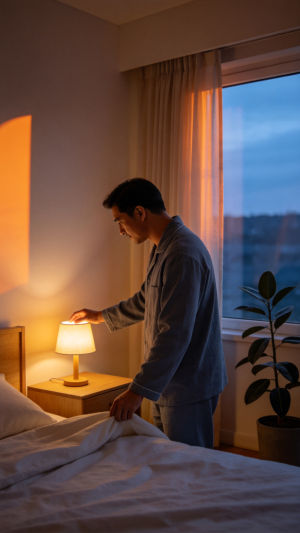
Sleep is an essential part of physical recovery, cognitive performance, emotional regulation, and overall health.
Evening exposure to electronic devices can introduce both light and mental stimulation during the period when the body is preparing for sleep.
Establishing a calm, consistent wind-down period can help create conditions that are more supportive of healthy sleep.
<h3>How Evening Screen Use May Affect Sleep</h3>
Electronic devices such as smartphones, tablets, computers, and televisions can affect bedtime through several mechanisms. Engaging content, notifications, messages, and interactive activities may increase alertness and make it more difficult to transition from daytime activity to sleep.
Light exposure is another important factor. The circadian system responds to environmental light, and exposure to bright light in the evening can promote wakefulness and influence the timing of the sleep-wake cycle.
<h3>Reducing Stimulation Before Bed</h3>
A screen-free period before bedtime can reduce digital interruptions and provide time for quieter activities. Rather than focusing only on switching off devices, the aim is to create a predictable transition toward rest.
The National Heart, Lung, and Blood Institute recommends using the hour before bed for quiet time and avoiding bright artificial light from sources such as television or computer screens.
“Use the hour before bed for quiet time. Avoid intense exercise and bright artificial light, such as from a TV or computer screen.” — National Heart, Lung, and Blood Institute.
Reading, preparing for the following day, listening to relaxing audio, or using simple relaxation techniques can be incorporated into this period. Choosing activities that feel calming and manageable makes the routine easier to maintain consistently.
<h3>Managing Evening Light</h3>
Light is one of the primary environmental signals that regulates the circadian rhythm. As bedtime approaches, reducing exposure to bright artificial light can help distinguish the evening from daytime and support the body's natural preparation for sleep.
Using lower-intensity lighting and keeping unnecessary sources of light away from the sleeping area can further improve the nighttime environment.
<h3>Optimizing the Bedroom Environment</h3>
A sleep-friendly bedroom should be comfortable, quiet, and appropriately dark. Unnecessary sounds, illuminated screens, and notifications can create distractions that make it harder to maintain a restful setting.
Switching off devices that are not required overnight and silencing notifications can help minimize avoidable disturbances.
<h3>Building a Consistent Bedtime Routine</h3>
There is no single screen-free period that is appropriate for everyone. A more useful approach is to establish a consistent wind-down routine that fits individual sleep needs and daily responsibilities.
For people who find it difficult to stop using devices in the evening, gradual changes may be more practical. Reducing brightness, choosing less stimulating activities, and extending screen-free time progressively can help establish a sustainable routine.
<h3>Other Practices That Support Healthy Sleep</h3>
Good sleep hygiene involves more than managing evening technology. Maintaining consistent sleep and wake times, engaging in regular physical activity during the day, creating a relaxing pre-bed routine, and limiting caffeine later in the day can all contribute to healthier sleep patterns.
Together, these habits help establish regular cues for the body's daily sleep-wake cycle and support a stable nighttime routine.
<h3>When to Discuss Sleep Difficulties With a Professional</h3>
Ongoing difficulty falling asleep, repeated nighttime awakenings, waking earlier than intended, or persistent daytime sleepiness can affect daily functioning and may warrant professional assessment.
When sleep problems continue despite consistent healthy habits, a qualified healthcare professional can help determine whether an underlying factor is contributing to the problem and identify appropriate management options.
Reducing evening screen exposure is one practical way to support healthy sleep habits. Combining a consistent wind-down routine with appropriate evening lighting, a comfortable bedroom, and regular sleep schedules can create a more supportive environment for restorative rest. The most effective approach is one that is consistent, realistic, and suited to individual sleep needs.


