

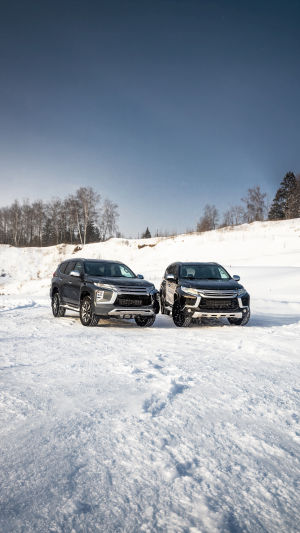
Driving on icy roads requires preparation, awareness, and precise vehicle control.
When tires lose traction, steering and braking become less effective, making smooth movements essential for maintaining control.
Understanding how to respond to slippery conditions helps drivers manage challenging situations and make safer decisions.
<h3>Why Cars Slide on Ice</h3>
A car slides when its tires cannot maintain sufficient grip on the road. Ice reduces traction, affecting the vehicle's ability to accelerate, turn, and stop. Bridges, shaded stretches, and exposed road surfaces may remain icy even when nearby pavement appears clear.
Excessive speed and sudden changes in steering, acceleration, or braking can further reduce control. Slowing down before reaching potentially icy sections and maintaining a generous following distance provide more time to react.
<h3>What to Do When Your Car Slides</h3>
If your vehicle begins to slide, remain calm and avoid abrupt movements. Ease off the accelerator and look toward the safe path you want the vehicle to follow. Make small, controlled steering adjustments rather than turning the wheel sharply.
The correct response depends on which tires have lost traction. Allow the tires time to regain grip before making further adjustments, and avoid accelerating forcefully or applying sudden steering inputs.
<h3>How to Brake on Icy Roads</h3>
Ice can substantially increase stopping distances, so anticipate intersections, bends, and changes in traffic well in advance. The appropriate braking technique depends on whether your vehicle has an anti-lock braking system (ABS).
<b>Braking With ABS</b>
During emergency braking, press the brake pedal firmly and continuously while steering toward a safe path when necessary. ABS helps prevent the wheels from locking, allowing the driver to retain more steering control. Pedal pulsing or vibration during activation is normal; maintain firm pressure rather than pumping the pedal.
<b>Braking Without ABS</b>
Apply the brakes progressively when slowing down under normal conditions. If the wheels lock, ease the brake pressure enough to help them regain rotation and steering traction. Follow the vehicle manufacturer's instructions for emergency braking.
<b>Maintaining a Safe Following Distance</b>
Leave substantially more space between your vehicle and the one ahead than you would on dry pavement. Begin braking early, reduce speed before entering bends, and avoid sudden braking while turning whenever possible.
<h3>Steering to Regain Control</h3>
If the rear of your car slides to the right, gently steer to the right while looking toward your intended path. This technique can help the vehicle realign as traction returns. Avoid excessive steering, which may cause the rear to swing in the opposite direction.
If the front tires lose traction, the vehicle may continue moving forward despite turning the steering wheel. Ease off the accelerator and avoid adding more steering input than necessary. Once the tires regain grip, guide the car smoothly along the desired path.
<h3>Driving Downhill on Ice</h3>
Reduce speed before beginning a descent and select an appropriate gear according to your vehicle's instructions. Maintain a steady, controlled pace and use smooth braking when necessary.
Avoid sudden downshifting, as an abrupt change in engine braking can affect traction at the driven wheels. Plan your descent in advance, leave sufficient space ahead, and avoid unnecessary steering or acceleration.
If conditions are unsuitable for safe travel, choose a suitable stopping location whenever possible and reassess the journey before continuing.
<h3>Preparing Your Car for Winter</h3>
Vehicle preparation helps improve traction, visibility, and braking performance in cold conditions.
- Check your tires: Ensure adequate tread depth, correct pressure, and tires suitable for winter conditions.
- Maintain the brakes: Arrange regular inspections and follow the vehicle manufacturer's maintenance recommendations.
- Clear all windows: Remove ice and snow from the windows, mirrors, lights, and roof before driving.
- Check the forecast: Review weather and road conditions before departure and allow extra travel time.
- Carry essential supplies: Keep a charged phone, warm clothing, and suitable emergency equipment in the vehicle.
Winter tires designed for cold temperatures can provide better traction on snow and ice than many all-season tires. However, appropriate tires must be combined with careful speed management and smooth driving.
<h3>Build Better Winter Driving Habits</h3>
Preventing a slide is the most effective approach to icy-road driving. Accelerate gently, brake early, avoid cruise control on slippery surfaces, and maintain a generous gap between vehicles. Pay particular attention to bridges, shaded areas, and surfaces where ice may be difficult to see.
If road conditions deteriorate, adjust your plans rather than attempting to maintain your usual pace. When necessary, stop at a suitable location and wait until conditions allow you to continue safely.
<h3>Final Thoughts</h3>
Safe driving on ice depends on preparation, patience, and controlled vehicle handling. Understanding how ABS works, recognizing different types of skids, and adjusting speed before reaching slippery sections can help drivers respond more effectively when traction decreases.
Suitable tires, clear visibility, regular maintenance, and sufficient stopping distance provide a strong foundation for winter driving. By anticipating road conditions and making smooth, deliberate movements, drivers can improve vehicle control and approach winter journeys with greater confidence.


