

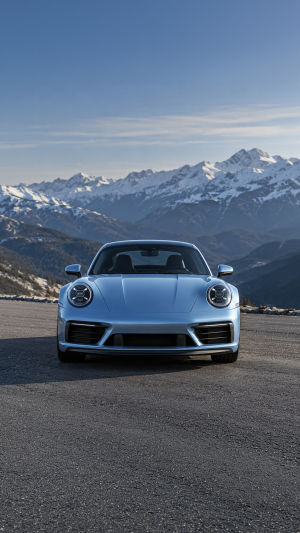
Line up a gasoline sports car and a comparable electric one at a light, and the electric car will usually leave first.
That part is settled. What is not settled is which one you actually enjoy driving once the straight line ends.
<h3>Why the launch belongs to electric</h3>
Electric motors deliver full torque from zero rpm, so there is no waiting for revs to build. A Tesla Model 3 Performance and a Porsche Taycan both hit 60 mph in roughly 3 seconds without any launch drama- just press and go. A gasoline car of similar power needs a careful clutch release or a brake-torque launch to match that, and most drivers won't nail it on the first try. The instant shove is real, and it doesn't get old quickly.
<h3>Where gasoline fights back</h3>
Past highway speeds, the gap narrows. Electric motors lose punch as rpm climbs, while a turbocharged gasoline engine like the one in a Porsche 911 GT3 keeps pulling toward its 9,000 rpm redline. That rising pull gives you something to work for. You downshift, the revs jump, and the sound changes with the throttle. It's a mechanical event you cause, not a switch you flip.
<h3>The sound and feel question</h3>
Some electric cars pipe in synthetic noise through the speakers, and it doesn't convince many people. The Porsche Taycan's system is one of the better attempts, but it's still generated audio. A flat-six or a V8 makes its noise as a byproduct of actual combustion, and your ears tie that sound to the throttle position. That link is hard to fake, and it's a big part of why people still pay for it.
<h3>Weight changes everything</h3>
Batteries are heavy. A Taycan Turbo S weighs around 5,100 pounds, while a 911 Carrera S weighs around 3,400 pounds. You feel that on a tight back road. The gasoline car changes direction with less effort and carries speed through corners more naturally. Electric cars counter with a low center of gravity and quick torque vectoring, which helps, but physics doesn't negotiate.
<h3>The daily reality check</h3>
Then there's the boring stuff. A gasoline sports car needs fuel stops that take five minutes, and you can drive it hard for hours. An electric one charges overnight at home for cheap, but a track day or a long mountain run means planning around chargers. For most owners, the electric car is easier to live with Monday through Friday. The gasoline car asks more of you, and some drivers want exactly that.
None of this makes one side the winner. If your fun comes from stoplight gaps and effortless daily speed, the electric car delivers it with less fuss. If it comes from working an engine through gears and hearing it respond, the gasoline car still has the edge. Next time you get a chance to drive either one, pay attention to which part of the experience you remember afterward. That answer tells you more than any spec sheet.


