

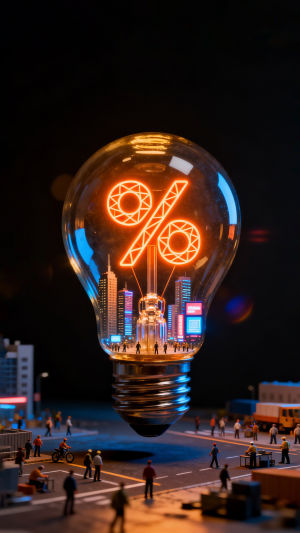
Tourism may look like a world of beaches, landmarks, and cultural experiences, but behind its growth lies a powerful financial driver: interest rates.
These rates influence how destinations are built, how businesses expand, and even how often people choose to travel. Understanding this connection offers a deeper view of how tourism economies evolve.
<h3>The Financial Backbone of Tourism Development</h3>
Tourism development depends heavily on capital. Hotels, airports, transportation systems, and entertainment hubs all require significant investment. Interest rates determine the cost of borrowing that capital.
When interest rates are low, borrowing becomes cheaper. Developers are more likely to finance new hotels, resorts, and attractions. Governments can invest in infrastructure such as airports and public transport, making destinations more accessible. This creates a cycle where improved facilities attract more visitors, leading to further growth.
On the other hand, high interest rates increase borrowing costs. Projects may be delayed, scaled down, or canceled altogether. This can slow down the expansion of tourism destinations and limit their competitiveness on a global scale.
Artur Bryzghalov, Head of Research at the brand valuation consultancy Brand Finance, has noted that the travel industry has had to adapt to inflation and high interest rates, which directly affect both expansion plans and operating costs.
<h3>How Interest Rates Influence Travel Demand</h3>
Interest rates do not only affect investors; they also shape consumer behavior. Travel is often considered a discretionary expense, meaning it is one of the first things people cut back on when finances tighten. When interest rates rise:
- Loan repayments and credit card costs increase
- Disposable income decreases
- Consumers become more cautious about spending
As a result, fewer people may choose to travel, especially for leisure. In contrast, low interest rates often boost consumer confidence. People feel more financially secure and are more willing to spend on vacations, leading to higher tourism demand.
<h3>Tourism as an Economic Multiplier</h3>
Tourism is more than just an industry; it acts as an economic engine. When tourists visit a destination, they spend money on accommodation, food, transportation, shopping, and entertainment. This spending supports a wide range of local businesses and creates employment opportunities.
Interest rates influence this entire ecosystem. Lower rates encourage investment in tourism-related sectors, which leads to job creation and increased economic activity. Higher rates can slow this momentum, affecting not just tourism businesses but also the broader urban economy.
Cities that rely heavily on tourism often feel the impact of interest rate changes more strongly. Their growth, employment levels, and even public revenues can fluctuate depending on the cost of capital and consumer spending patterns.
<h3>The Role of Financial Stability</h3>
While interest rates are crucial, their impact is closely tied to the strength of a country's financial system. Stable financial institutions and access to credit make it easier for businesses to respond to changes in interest rates.
In well-developed financial systems, even moderate rate increases can be managed through efficient lending and investment strategies. In weaker systems, however, high rates can quickly restrict access to financing, limiting tourism development.
<h3>Looking Ahead</h3>
As global economies continue to shift, interest rates will remain a key factor shaping tourism development. Policymakers face the challenge of keeping borrowing affordable enough to encourage investment while ensuring economic stability.
For tourism-dependent cities, this balance is especially critical. Strategic planning, diversified funding sources, and strong financial systems help sustain growth when the cost of borrowing changes.
Behind many new resorts and expanded airports is a borrowing decision shaped by interest rates. When rates rise, travelers can plan for higher loan and card costs by setting a trip budget early, while tourism businesses can weigh borrowing costs, not just visitor numbers, before committing to new projects.


